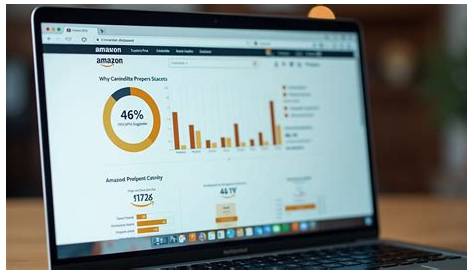
Amazon PPC (Pay-Per-Click) is a paid advertising method that lets you promote your products directly to shoppers searching for items like yours. You only pay when someone clicks your ad, which helps boost your product's visibility and sales. This guide walks you through setting up your first Amazon PPC campaign step-by-step, explains the different campaign types, shows how to choose the right keywords and bids, and helps you learn how to read your campaign reports so you can optimize and improve your results over time.
What exactly is an Amazon PPC campaign and why should I use one?
Amazon PPC lets you pay only when shoppers click your ads, which appear in search results or on product detail pages. This gives your listings extra visibility beyond organic search results and helps you reach buyers actively looking for products like yours. PPC is especially helpful for new sellers or those in competitive categories to get noticed. Beyond driving immediate sales, a well-run campaign can improve your organic ranking and provide valuable data on which keywords and audiences respond best to your products.
What types of Amazon PPC campaigns are there and which one fits my goals?
Amazon offers three main PPC campaign types: Sponsored Products, Sponsored Brands, and Sponsored Display. Sponsored Products promote individual listings in search results or on product pages and work well when you want to drive direct sales for specific items. Sponsored Brands ads show your brand logo, a custom headline, and multiple products at the top of search results, helping build brand awareness or highlight a product range. Sponsored Display targets shoppers on and off Amazon based on their shopping behavior and interests, making it useful for retargeting or reaching new audiences. Choose the type that matches your goal: go with Sponsored Products for immediate sales, Sponsored Brands to grow brand presence, or Sponsored Display for retargeting and wider reach.
How do I set up my first Amazon PPC campaign without getting overwhelmed?
Setting up your first campaign is simpler than it seems. Log into Seller Central, go to the Advertising tab, and select Campaign Manager. Click "Create campaign," then choose your campaign type—Sponsored Products is a good place to start. Give your campaign a clear name, like "Spring Launch - Sponsored Products," and set a daily budget you’re comfortable with (starting around $10 is fine). Choose your start and end dates or leave it open-ended. Then select the products you want to advertise—these must be eligible and in your inventory. Next, decide your targeting: automatic targeting lets Amazon pick keywords based on your product, while manual targeting lets you select keywords yourself. Review your settings, launch the campaign, and monitor its performance regularly to make improvements.
How do I find the right keywords to target that will actually convert?
Choosing the right keywords connects your product with buyers ready to purchase. Start by looking at Amazon’s search suggestions related to your product. Use Amazon-specific keyword research tools to find relevant, high-traffic keywords. Focus on keywords that show buyer intent, like "buy waterproof running shoes," rather than vague terms. Understand match types: broad match shows your ad for searches containing your keyword in any order, phrase match targets searches with the exact phrase, and exact match triggers ads only for the exact keyword. Using a mix lets you balance reaching more shoppers with targeting those most likely to buy. Keep testing and refining your keywords based on which ones lead to sales.
What bidding strategies should I use to avoid wasting money but still win impressions?
Your bids determine how much you pay per click and how often your ads appear. Beginners often start with automatic campaigns where Amazon sets bids and chooses keywords for you. Manual campaigns let you control bids for each keyword or product target. Within manual campaigns, dynamic bidding adjusts bids in real time—raising them when a sale seems likely or lowering them to save money. Fixed bids keep your bid the same regardless of competition. To avoid wasting budget, start with moderate bids and adjust based on performance. Increase bids slightly for keywords that convert well to get more visibility, and lower or pause bids on keywords that spend money without sales. The goal is to balance enough clicks to boost sales without paying more than you earn.
How do I track if my Amazon PPC campaign is actually working?
Track your campaign’s success by regularly reviewing key metrics in Campaign Manager. ACOS (Advertising Cost of Sale) shows what percentage of your sales you spend on ads; lower ACOS usually means better profitability, though acceptable levels vary by product margin. CTR (Click-Through Rate) tells you how often shoppers click your ad after seeing it; a low CTR may mean your ad or keywords aren’t relevant. Conversion rate shows the percentage of clicks that convert to purchases, indicating how well your listing and targeting match shopper intent. For example, high CTR but low conversion suggests your ad attracts clicks but your product page might need improvement. Monitor your spend versus sales daily at first to avoid surprises. Campaigns often improve steadily with ongoing adjustments.
What are common mistakes sellers make with Amazon PPC campaigns?
Common mistakes include ignoring negative keywords, which causes you to pay for irrelevant clicks that don't convert. Overspending without data leads to quickly wasted budgets. Some sellers set campaigns and forget them, missing chances to adjust bids, keywords, or ad types. Choosing overly broad keywords can attract uninterested shoppers and drain your budget. Not reviewing campaign performance regularly means issues go unnoticed until they cost a lot. To avoid these pitfalls, add negative keywords early, start with modest budgets, and check campaigns weekly to make informed changes.
How do I optimize and scale my campaigns over time for better results?
Optimization means reviewing your campaign data and making small, thoughtful changes. Increase bids on keywords that consistently convert to capture more sales, and decrease or pause those that don’t perform. Use search term reports to find new relevant keywords to add. Testing other ad types, like adding Sponsored Brands alongside Sponsored Products, can reveal new opportunities. When scaling, raise budgets gradually on campaigns that perform well instead of boosting everything at once. For example, increase a successful Sponsored Product campaign’s daily budget by 20% and watch if it keeps performing. Always watch your metrics closely to avoid scaling campaigns that lose money. Optimization is about steady, data-driven improvements.
When and how should I use negative keywords to save budget?
Negative keywords stop your ads from showing on irrelevant or low-value searches, saving you from wasted clicks. Add negative keywords as soon as you spot search terms that bring clicks but no sales. For example, if you sell premium leather wallets but ads show for "cheap wallets," add "cheap" as a negative keyword to block those. Use your search term reports to find these terms. Negative keywords can be applied at campaign or ad group levels and support different match types. Using them sharpens your targeting, improves CTR and conversion rate, and helps your budget go further.
What advanced tips can help me get the most from my Amazon PPC campaigns?
Once you’re comfortable with the basics, try advanced tactics to improve your results. Dayparting lets you schedule ads to run during peak shopping times, saving budget during slower hours. Placement reports show which ad placements perform best, letting you adjust bids to maximize return. Watch for new Amazon features like video ads or updated targeting options to test early advantages. Coordinate your PPC with overall marketing—sync promotions, launches, and inventory—to strengthen your sales push beyond ads alone. These approaches take more time and data but can give you an edge as your campaigns grow.
Conclusion
Start with a simple Sponsored Products campaign using a small daily budget and automatic targeting to get comfortable with Amazon PPC. Focus on key metrics like ACOS and CTR instead of chasing immediate big sales. Avoid bidding aggressively on all keywords or setting campaigns and forgetting them. Regularly review your data, add negative keywords to reduce waste, and adjust bids gradually based on what converts. Over time, you’ll see steady improvements in ad performance and sales without overspending. Amazon PPC isn’t a quick fix, but with patience and attention, it’s a powerful tool to grow your business.
Frequently Asked Questions
How much should I budget for my first Amazon PPC campaign?
Starting with a daily budget around $10 to $20 lets you collect useful data without spending too much. You can increase your budget once you know which keywords and ads perform well.
What’s the difference between automatic and manual targeting?
Automatic targeting lets Amazon choose keywords and placements based on your product, making it easier for beginners. Manual targeting gives you control to pick specific keywords or products, which works better once you understand what drives sales.
How often should I check and adjust my PPC campaigns?
Checking your campaigns once or twice a week is a good habit when you’re starting. Regular reviews help you find underperforming keywords or ads and make timely changes to improve results.
Can I run multiple types of Amazon PPC campaigns at the same time?
Yes. Running Sponsored Products, Sponsored Brands, and Sponsored Display campaigns together can help you reach different goals, like driving sales, building brand awareness, and retargeting shoppers.
Why is my ACOS high, and should I be worried?
A high ACOS means you’re spending a large share of your sales on ads. This isn’t always bad if you’re building brand awareness or launching a new product, but over time you’ll want to lower it by optimizing keywords, bids, and your product listing to improve profitability.