Traditional marketing costs can vary widely depending on the channel you choose, your target market, and the quality of your campaign. Whether you're budgeting for print ads, TV spots, radio commercials, or direct mail, expect to pay not just for the ad space or airtime but also for production, distribution, and sometimes agency fees. Understanding these elements upfront helps you plan a realistic budget and avoid surprises as you work to reach your audience effectively.
What exactly does traditional marketing price include?
Traditional marketing costs usually cover more than just buying ad space or airtime. You’ll pay for ad placement in newspapers, magazines, TV, or radio, but also need to budget for production—anything from designing a flyer to filming a TV commercial. Distribution costs matter, especially for direct mail, where you pay for printing and postage. Additional fees can come from creative agencies, photographers, or videographers, which sometimes are separate. These extras can add 20% or more to your total budget. Knowing which costs are included in your quote helps you compare offers and avoid unexpected bills.
How much does it usually cost to run a print ad?
Print ads include newspapers, magazines, and flyers, each with different pricing. Newspapers often charge by column inch or portion of a page; small local papers might charge a few hundred dollars for a quarter-page ad, while major city papers can cost thousands. Magazines typically cost more because they stay on shelves longer and target specific audiences, with rates depending on circulation and placement. Flyers and brochures are priced based on printing volume and design complexity rather than placement, but distribution—whether handing them out or mailing—adds to the cost. Print ads usually require a minimum commitment and lead time, which can influence your final price.
What are the costs involved with TV and radio ads?
TV and radio advertising costs vary based on market size and targeting level—local, regional, or national. TV spots are priced per 30- or 60-second commercial, with prime time slots costing more than off-peak. For example, local TV stations might charge several hundred to a few thousand dollars per spot, while national networks can demand tens or hundreds of thousands. Radio ads are generally cheaper; prices depend on the station’s audience size, time of day, and ad length. Morning and drive-time slots cost more due to higher listenership. Production costs for TV ads are typically higher because of video, actors, and editing, while radio ads may only require a voiceover and sound editing. Both TV and radio often need bookings weeks in advance, which can affect your timeline and budget.
Why do direct mail campaigns vary so much in price?
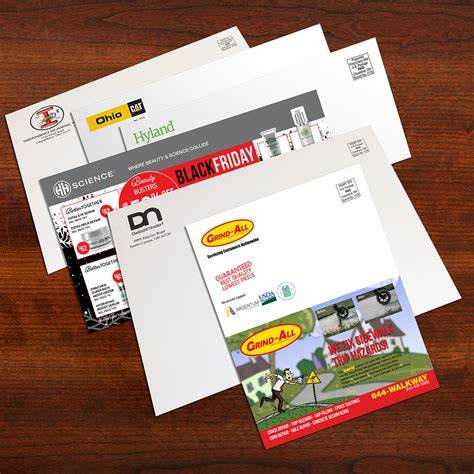
Direct mail costs depend on several factors. The quality and targeting of your mailing list is key—a carefully selected list costs more but usually gets better results. Volume affects pricing too: printing and mailing thousands of pieces lowers the cost per unit but increases total expense. The design and complexity of your mail piece matter—a simple postcard is cheaper than a multi-page brochure or a dimensional mailer. Postage rates vary by size, weight, and delivery speed and can add up quickly. Additional services like personalization or tracking also add fees. Because of all these variables, careful planning is essential to balance cost against expected returns.
How does geographic targeting influence traditional marketing costs?
Advertising costs grow with the size and competitiveness of your target area. Big cities with many businesses usually have higher ad placement and production fees, reflecting their larger audiences and demand. Smaller towns or rural areas cost less but provide less exposure. Geographic targeting also affects distribution: mailing to a wide area raises postage and handling expenses, and TV or radio ads covering broad regions cost more than local spots. Choose your geographic scope carefully to avoid overspending on audiences that don’t match your goals.
Are there hidden fees or extras to watch out for?
Traditional marketing can include fees that don’t appear in initial quotes but add to your final bill. Agencies may charge for concept development, multiple revisions, or project management. Production delays can increase costs if you need reshoots or reprints. Media outlets sometimes add fees for rush orders or premium placement. In direct mail, list rental or data cleaning may be separate charges, and tracking or response management services also cost extra. These hidden fees can add 10-30% to your budget. Always request detailed quotes breaking down every cost to avoid surprises and negotiate where possible.
How does traditional marketing pricing compare to digital marketing budgets?
Traditional marketing usually requires a larger upfront budget, especially for TV and print ads, which often have minimum commitments and bulk pricing. Digital marketing offers more flexibility—you can start with a smaller budget and scale up as needed. Production costs for traditional ads, like TV commercials, tend to be higher than for digital content, although digital marketing can incur ongoing expenses for ad buying and optimization. Digital channels provide precise targeting and real-time tracking, making it easier to measure cost-effectiveness. Still, traditional marketing can offer strong brand visibility and reach audiences less engaged online. Knowing these differences helps you allocate your budget based on your business goals and audience.
What should you consider to get the best value for your traditional marketing spend?
To get the most from your budget, start by defining your target audience and choosing channels that reach them efficiently. Negotiating rates is often possible, especially if you commit to multiple ads or off-peak times. Timing your campaign outside peak demand can lower costs. Consider production quality carefully—sometimes a simpler ad can be just as effective without the expense of high-end production. Look for bundled deals that include production and placement fees, and ask for a full cost breakdown upfront. Reviewing past campaign results or talking to peers can help you make informed choices. Balancing reach, frequency, and cost with your specific goals will improve your return on investment.
How do you measure if the traditional marketing price was worth it?
Assessing the success of traditional marketing starts with clear goals like sales increases, website visits, or customer inquiries tied to your campaign. Use unique phone numbers, coupon codes, or landing pages to track responses and link them to specific ads. Comparing your campaign cost to the revenue or new customer value gives a basic measure of ROI. Surveys or customer feedback can also show brand awareness improvements. Keep in mind that some benefits, like brand building, may take longer to appear and are harder to quantify. Setting clear success criteria before your campaign helps you evaluate whether your investment paid off.
Where can you find reliable quotes and pricing info for your next campaign?
To get accurate quotes, contact media outlets, print shops, and creative agencies directly. Many newspapers and magazines provide rate cards listing prices by ad size and placement, often available online or by phone. Local TV and radio stations have sales teams that can give detailed pricing and availability. Direct mail companies provide quotes based on your list size and mail piece specifications. Comparing multiple providers ensures competitive pricing. Industry trade associations and marketing networks can offer referrals. Be clear about your goals and budget when requesting quotes to get proposals that fit your needs and avoid surprises.
Conclusion
Focus your budget on what matters most for your business—whether that’s reaching more people, increasing ad frequency, or building brand awareness. Don’t just look at the cost of buying ad space; include production, distribution, and any hidden fees in your calculations. Negotiating rates and timing your campaigns outside busy periods can save money. A successful campaign shows measurable engagement or sales growth that justifies your investment, even if some benefits take time to develop. Avoid jargon and insist on detailed quotes so you always know where your money is going and can adjust your approach for the best results.
Frequently Asked Questions
What is included in the cost of a traditional marketing campaign?
Traditional marketing costs usually cover ad placement fees, production expenses like design or video creation, and distribution costs such as mailing or broadcasting. Agency fees or additional services like revisions may be extra. Knowing what’s included helps you avoid surprises.
Why do TV and radio ad costs vary so much?
Costs depend on market size, the time the ad runs, its length, and whether it’s local or national. Prime time or drive-time slots cost more because they reach larger audiences.
Are there extra fees besides the advertised price for traditional ads?
Yes. Extras can include agency charges, revisions, rush fees, list rental for direct mail, and production delays. Always ask for a detailed cost breakdown to spot hidden fees early.
How can I compare traditional marketing costs with digital marketing budgets?
Traditional marketing usually needs higher upfront spending and minimum commitments, while digital campaigns allow smaller, flexible budgets with precise targeting and tracking. Consider your goals and audience when deciding.
How do I know if my traditional marketing investment paid off?
Track responses using unique phone numbers, codes, or landing pages to link results to your ads. Compare sales or inquiries generated to your spend, and consider brand awareness effects that may take longer to measure.