Performance marketing means you pay only for specific results—like a sale, a lead, or a click—so your marketing spend directly ties to measurable growth. This approach differs from traditional advertising, which charges upfront regardless of outcome. For your business, performance marketing offers a way to see exactly what drives growth, helping you invest smarter and avoid wasted budget.
What exactly is performance marketing and how is it different?
Performance marketing is a strategy where you pay only when a predetermined action occurs, such as a sale or lead. Unlike traditional advertising, which charges for exposure regardless of success, this method focuses on measurable outcomes like cost per acquisition (CPA) or return on ad spend (ROAS). This pay-for-results model encourages continuous optimization, pushing marketers to prioritize tactics that generate real growth rather than just awareness. It brings accountability to your marketing spend, ensuring every dollar is tied to a clear objective aligned with your business goals.
Why should I care about performance marketing now?
With tighter budgets and fierce online competition, guessing where to invest marketing dollars risks wasting resources. Performance marketing demands clear proof of success by tracking exactly how much revenue or leads each campaign produces. This transparency helps you avoid spending on ineffective ads and scale what works. Customers today expect relevant, timely offers, not broad advertising blasts. By focusing on specific actions, performance marketing delivers more efficient targeting and better alignment with your customers’ behavior and your business objectives.
What metrics actually prove performance marketing is working?
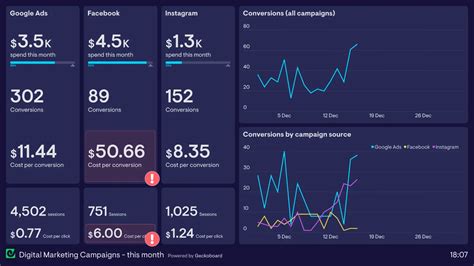
Choosing the right metrics is crucial to understanding if your campaigns succeed. Cost per acquisition (CPA) shows how much you spend to get a customer or lead, helping you evaluate profitability. Return on ad spend (ROAS) compares the revenue generated to your ad spend—for example, spending $100 to make $300 results in a 3:1 ROAS. Lifetime value (LTV) estimates the total revenue a customer brings over time, guiding how much you can afford to spend to acquire them. Accurate tracking tools like Google Analytics, Facebook Pixel, or affiliate tracking systems are essential to collect this data. Without them, you risk relying on vanity metrics like impressions, which don’t necessarily lead to growth.
Which platforms and channels are best for performance marketing?
Performance marketing works best on platforms that let you target actions and measure results clearly. Google Ads connects you with customers actively searching for your products, ideal for capturing demand. Facebook and Instagram offer detailed audience targeting and combine awareness with conversion opportunities, especially for visual content. Affiliate networks let partners promote your product for commissions, expanding reach with low upfront costs. Programmatic advertising automates bidding across many sites to optimize conversions at scale. Your choice should match your audience, budget, and goals—search ads for intent-driven buyers, social media for engagement earlier in the funnel, and affiliates or programmatic for broad reach and flexibility.
How do I set up a performance marketing campaign step-by-step?
Begin by researching your target audience’s preferences and where they spend time online. Develop a clear offer or message that motivates action. Pick channels that suit your audience and goals—Google Ads for intent, Facebook for engagement, affiliates for reach. Set a budget aligned with your expected CPA or ROAS and define the key performance indicators you’ll track. Implement tracking pixels or codes on your site to measure conversions reliably. Launch your campaign and monitor it closely, adjusting bids, creatives, or targeting based on performance. This cycle of testing, learning, optimizing, and scaling successful tactics keeps your campaigns efficient and focused on growth.
What are the most common mistakes that kill performance marketing campaigns?
Many campaigns fail due to poor tracking—if conversions aren’t recorded accurately, you can’t know what’s working. Ignoring attribution means missing how different channels contribute, which can lead to wrong decisions. Focusing on vanity metrics like clicks or impressions without linking them to sales wastes budget and time. Overspending before testing and optimizing risks draining resources on poor performers. Also, not aligning campaigns with your overall business goals can attract low-value customers or growth in the wrong areas. Staying patient and methodical with tracking, attribution, and optimization helps avoid these pitfalls and delivers meaningful results.

How do I integrate performance marketing with my broader marketing strategy?
Performance marketing works best as part of a balanced marketing mix. Brand building creates awareness and trust that can improve conversion rates in performance campaigns. SEO and content marketing draw organic traffic and nurture leads who may convert later. PR helps shape your reputation and extend reach. Performance marketing then efficiently captures and converts interested customers. Aligning your messaging, timing, and target audiences across all these channels creates a consistent experience. For example, running a brand video on social media alongside performance campaigns with direct offers can warm up your audience and boost conversions. Think of performance marketing as the tool that drives measurable action, supported by efforts that build credibility and interest.
Can performance marketing work for small budgets or niche markets?
Yes, but you’ll need to adjust expectations and tactics. With a smaller budget, focus tightly on your most valuable audiences and channels that offer cost-effective results. Niche markets often require precise messaging and may benefit more from affiliate marketing or targeted social ads than broad search campaigns. Start with small tests and scale only what performs well to manage risk. Be patient, since smaller budgets mean slower data gathering and decisions may take longer. Clear goals and focusing on the most impactful metrics will help you avoid wasting resources on vanity numbers.
When should I consider hiring an agency or specialist?
If you don’t have the time, expertise, or tools to manage performance marketing well, hiring an experienced agency or specialist can improve results and save money in the long run. Agencies can set up accurate tracking, design campaigns, optimize bidding, and analyze data—skills that take practice. Consider professional help if your campaigns stall, you’re spending without returns, or your team is stretched thin. However, if you’re just starting and your budget is manageable, running small campaigns yourself can build useful skills. Agencies add the most value when you have clear goals and enough budget to support their expertise.
Conclusion
Start by defining a clear goal for your performance marketing—whether it’s boosting sales, generating leads, or increasing website signups. Set up accurate tracking so you can see exactly how your campaigns perform. Avoid vanity metrics that don’t connect to business results, and be ready to tweak or pause campaigns that miss the mark. A successful campaign acquires customers at a cost that supports profit or sustainable growth. Begin with a small, focused campaign, learn from the data, and build from there. With a careful approach, performance marketing can turn your advertising dollars into measurable growth.
Frequently Asked Questions
Is performance marketing only for online businesses?
While performance marketing is mostly used online because tracking is easier, offline businesses can also benefit by using digital channels or tracking methods like promo codes or call tracking to measure actions such as store visits or phone inquiries. The key is having a clear, measurable action to optimize.
How long does it take to see results from performance marketing?
You might see early signs like clicks and conversions within days, but meaningful results depend on your budget, audience size, and sales cycle. It often takes several weeks of testing and optimizing to achieve steady growth.
Can I run performance marketing without technical knowledge?
You can start with basic campaigns using user-friendly tools and some learning. However, accurate tracking and effective optimization usually require technical setup and data analysis skills. Starting small and gradually building your knowledge or consulting specialists can help.
What’s better for performance marketing: social media ads or search ads?
It depends on your goals and audience. Search ads target people actively looking for products, which is great for intent-driven purchases. Social media ads are better for reaching and engaging potential customers earlier or for products that benefit from visual content. Many businesses find using both channels in different ways works best.
How do I know if my performance marketing campaign is profitable?
Compare your cost per acquisition (CPA) to the revenue or lifetime value (LTV) of the customers you gain. If your CPA is less than what those customers generate over time, your campaign is profitable. Careful tracking of these metrics is essential to make this assessment.