What Metrics Should I Monitor to Evaluate the Effectiveness of Audience Targeting?
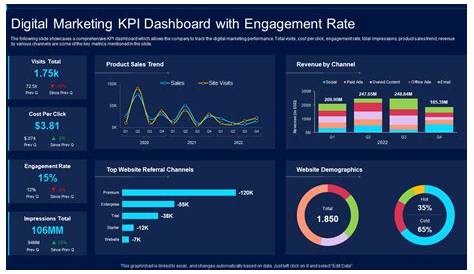
Wondering which metrics actually show if your audience targeting is working? The key is to focus on data that reveals how well your chosen audience responds—not just how many people saw your ad. Metrics like click-through rate, conversion rate, engagement, and bounce rate give a clearer picture of whether your targeting hits the right people and drives real results, helping you avoid wasting effort on flashy but meaningless numbers.
How do I know if my audience targeting is actually working?
Measuring audience targeting success means checking whether you're reaching the people most likely to engage with your brand or become customers. Even a great ad won’t perform well if it’s shown to the wrong audience. Instead of focusing on overall likes or impressions, look for signs of genuine interest—are people clicking your ads, spending time on your site, or completing actions? These behaviors show if your targeting aligns with your goals. Without this focus, you risk spending money on large audiences who aren’t interested.
What are the most important metrics to track for audience targeting?
Some metrics give better insight into audience targeting than others. Click-through rate (CTR) measures how many people who saw your ad clicked it—higher CTR often means your message and audience fit well. Conversion rate tracks how many of those clicks lead to desired actions like sales or sign-ups, which is even more crucial. Engagement rate—likes, shares, comments—shows if your audience connects beyond just clicking. Bounce rate tells you what percentage of visitors leave your site quickly; a high bounce rate suggests your traffic might not be relevant. Together, these metrics help you judge both the quality of your audience and how your campaign performs.
Why isn’t overall campaign performance enough to judge audience quality?
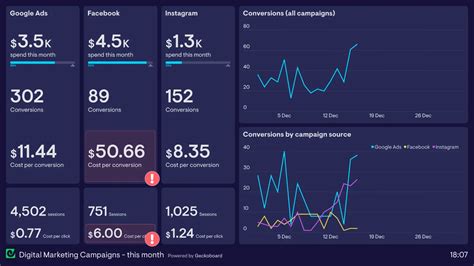
Looking only at total sales or overall ROI can hide problems with your audience targeting. Campaign results mix many factors—ad creative, budget, timing, and audience—so a change in results doesn’t pinpoint what caused it. Tracking audience-specific data isolates how your targeted groups behave, separate from other elements. This helps you avoid guessing and focus your improvements where they matter most.
How can I tell if the audience is the right fit, not just a large one?
A big audience isn’t always valuable. Look for signs that the people you reach are genuinely interested and engaged. Metrics like how often they interact with your ads or content, how long they stay on your site, and whether they return show deeper connection. These signals suggest your messages resonate and can build loyalty, rather than just attracting a broad but indifferent crowd.
What role do conversion rates play in audience targeting evaluation?
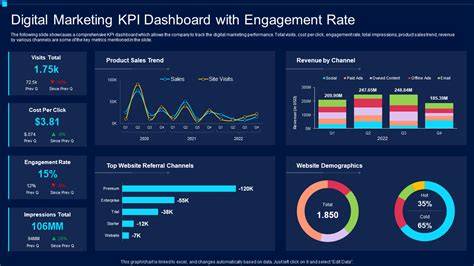
Conversion rates are one of the clearest indicators of effective audience targeting. Tracking conversions by audience segment reveals which groups drive real business results, not just traffic. For instance, one segment might click frequently but rarely buy, while another converts steadily despite fewer clicks. This helps you focus your budget and creative on audiences that deliver the best return and highlights areas where your messaging or sales funnel might need improvement.
Are there common metrics that can mislead me about audience effectiveness?
Yes. Metrics like impressions can look impressive but don’t guarantee attention or action. A high click-through rate might seem good until you notice a high bounce rate or low conversions, indicating the audience isn’t finding what they expected. Vanity metrics like follower counts or brief video views can inflate your sense of success without real impact. Always combine these surface stats with engagement and conversion data for a true picture.
How can I benchmark my metrics to know if they’re good or bad?
Context matters. Compare your current metrics to past campaigns to see if you’re improving or slipping. Industry averages provide a helpful reference but vary widely by sector, platform, and campaign type. Setting clear goals before your campaign—like aiming for a 5% conversion rate—helps you judge performance. Benchmarking is about spotting trends and relative progress, not just hitting exact numbers.
What tools or platforms can help me monitor these audience metrics effectively?
Advertising platforms like Facebook Ads Manager, Google Ads, and LinkedIn Campaign Manager provide dashboards that break down audience metrics by segment. Google Analytics tracks what happens after clicks, like time on site and conversions. Marketing tools such as HubSpot, Mixpanel, and Adobe Analytics can combine data from different sources and offer customizable reports. Setting up alerts or regular summaries helps you keep track without getting overwhelmed by every fluctuation.
How often should I review and adjust my audience targeting based on these metrics?
Check your audience metrics weekly at the start of a campaign, then move to biweekly or monthly once things stabilize. Regular reviews help you spot drops in engagement or conversions early, so you can adjust targeting or creative before wasting budget. Avoid reacting to small daily changes; focus on trends over time to decide when to make changes.
What’s the next step after I’ve identified underperforming audience segments?
If an audience segment isn’t delivering, start by refining its criteria—narrow interests, behaviors, or demographics to better fit your ideal customers. Try retargeting with different messaging or offers to re-engage them. If a segment consistently underperforms despite adjustments, consider excluding it to focus your budget on better-performing groups. Testing new segments alongside existing ones can uncover new opportunities. Use your data as a guide and keep experimenting to improve results.
Conclusion
Focus on a few key metrics—CTR, conversion rate, engagement depth, and bounce rate—to evaluate your audience targeting. Don’t be fooled by big numbers alone; look for real signs of interest and action. Compare your performance with past campaigns and industry benchmarks to understand where you stand. Use the tools you have to monitor your metrics regularly without sweating every small change. When you find audiences that aren’t working, refine or replace them based on data, not guesses. Success looks like steady improvement in conversions and engagement from audiences that match your ideal customers.
Frequently Asked Questions
Which metric best shows if my audience targeting is effective?
Conversion rate usually gives the clearest picture because it shows how many people in your audience take the action you want, like buying or signing up. It goes beyond clicks or views to measure real business impact.
Can high impressions mean my audience targeting is working?
High impressions mean many people saw your ad, but that alone doesn’t prove your targeting is good. If those impressions don’t lead to clicks, engagement, or conversions, your audience might be too broad or not interested.
How often should I check my audience targeting metrics?
Review your metrics weekly when starting a campaign to catch issues quickly, then switch to biweekly or monthly once your data stabilizes. Regular monitoring helps you make timely improvements without overreacting to small changes.
What’s a common mistake when evaluating audience quality?
Relying only on vanity metrics like likes or raw clicks without checking if the audience engages deeply or converts can give a false sense of success. Always look at engagement and conversion data alongside surface numbers.
How can I improve targeting if an audience segment underperforms?
Try narrowing the segment to better match your ideal customer, test different messaging, or exclude the segment if it keeps underperforming. Retargeting with new offers or creative can also help re-engage an unresponsive audience.