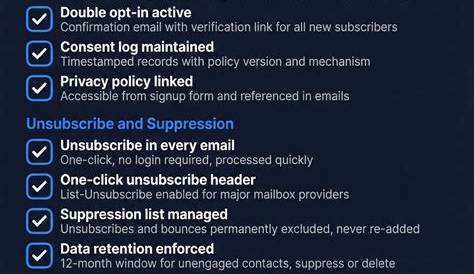
GDPR significantly affects how you run marketing and email campaigns by setting clear rules on collecting and using personal data. It requires you to get proper consent before emailing anyone and to handle your email lists and communications with transparency and care. Following GDPR not only protects you from hefty fines but also helps build trust with your customers, letting you run effective marketing campaigns without risking your reputation.
Why should I even care about GDPR for my marketing?
GDPR matters because it defines the legal framework for how you can use personal data in your marketing. Ignoring these rules can lead to fines that reach thousands or even millions of euros, depending on the violation. Beyond fines, customers expect transparency and respect for their privacy. Sending emails without clear consent can annoy recipients, lead to spam complaints, and harm your brand’s reputation. On the other hand, following GDPR helps build trust. When customers feel confident you handle their information responsibly, they’re more likely to engage with your messages and become loyal buyers. So, caring about GDPR protects both your business and your relationship with your audience.
What exactly does GDPR say about using personal data in marketing?
GDPR requires you to process personal data lawfully, fairly, and transparently. This means you need a clear legal basis—usually consent—to collect and use data for marketing. You can’t use data collected for one purpose in a completely different way without informing people. Only collect the data you actually need (data minimization); for example, if you only need an email address, don’t ask for unnecessary details like phone numbers. Transparency means telling people who you are, why you’re using their data, and how long you’ll keep it. These rules give individuals control over their information and help protect their privacy.
How do I know if I have the right consent to email someone?
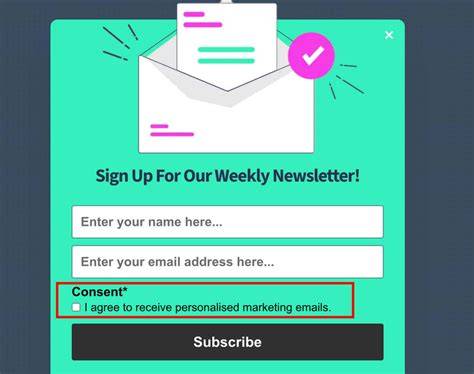
Valid consent under GDPR is more than a checked box. It must be freely given, specific, informed, and clearly show the person’s agreement. For email marketing, this means the person must actively opt in—pre-ticked boxes or silence don’t count. They should know exactly what they’re signing up for, like newsletters or promotional offers. You must keep records of this consent and let people withdraw it easily at any time. If you rely on old or vague opt-ins, or if you bought a list, you likely don’t have proper consent. Emailing those contacts risks non-compliance and penalties.
Can I still buy or rent email lists for campaigns?
Buying or renting email lists is generally not allowed under GDPR. People on those lists usually haven’t given explicit consent to receive emails from you, which breaks the rules. Using such lists can lead to complaints, spam reports, and fines. Instead, focus on building your own email list through clear and transparent sign-up methods. For example, offer a newsletter signup on your website with a clear explanation of what emails they’ll get and how often. This approach is safer and leads to better engagement because your audience actually wants your emails.
What must I include in my marketing emails to stay compliant?
Your marketing emails should include several key elements to comply with GDPR. Clearly identify your business so recipients know who’s contacting them. State the purpose of the email—whether it’s a newsletter, promotion, or update. Provide an easy-to-find unsubscribe link so recipients can opt out without hassle. Including a brief reminder of how you obtained their contact details can reduce confusion. Finally, link to your privacy policy or include a short note explaining how you handle personal data, so recipients can find more details if they want.
How do I handle unsubscribe requests and data removal properly?
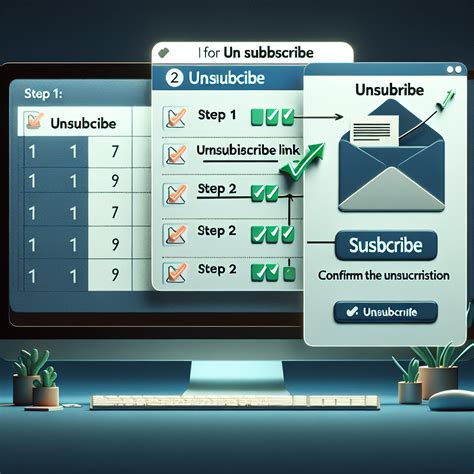
GDPR requires you to honor unsubscribe requests promptly and without unnecessary steps. When someone opts out, stop emailing them quickly—usually within a few days—and remove or exclude their data from future marketing unless you have another legal reason to keep it. Let people know their request was processed. Automating this process with email marketing tools can help you avoid mistakes and save time. Keeping your email list clean not only meets GDPR requirements but also improves your deliverability and engagement rates.
What about tracking and profiling in my campaigns—does GDPR affect that?
Yes, GDPR covers tracking methods like cookies and profiling in marketing. If you use tracking pixels, cookies to monitor behavior, or segment your audience based on data, you need proper consent beforehand. This means clearly informing users about what you track and why, and giving them the choice to accept or reject it. Profiling—such as tailoring offers based on browsing habits—must be transparent and fair. Ignoring these rules can lead to complaints and fines, so review your tracking practices and ensure your consent notices are up to date and compliant.
What if I’m marketing outside the EU but have EU subscribers?
GDPR applies to any business processing personal data of EU residents, regardless of where you’re located. If you have subscribers in the EU, you must follow GDPR rules when marketing to them. This includes collecting valid consent, providing clear privacy information, and respecting data rights. Even if your business is outside Europe, ignoring GDPR could lead to enforcement actions if you target EU residents. The safest way is to treat all your EU contacts according to GDPR standards, which can also improve your overall data handling practices.
What penalties could I face if I get this wrong?
Non-compliance with GDPR can result in fines up to 4% of your global annual turnover or €20 million, whichever is higher, depending on the breach’s severity. Marketing violations, such as sending emails without consent or ignoring unsubscribe requests, have led to fines and public warnings. Besides financial penalties, you risk losing customer trust, which can be even more damaging over time. For example, repeatedly sending unsolicited emails might cause complaints that hurt your reputation and sales. Staying compliant protects you from these risks and helps maintain good relationships with your audience.
What’s the easiest way to update my marketing to be GDPR-compliant?
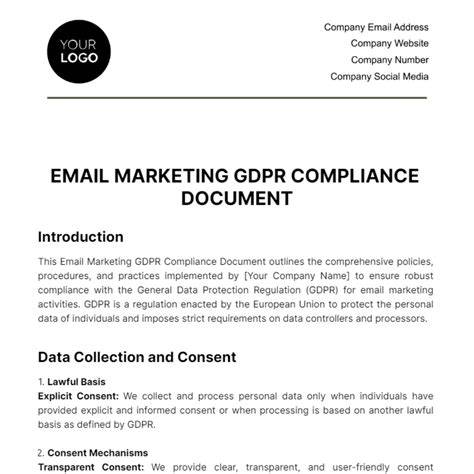
Begin by auditing your current data collection and email lists. Check where your contacts came from and whether you have clear consent records. Then update your sign-up forms to include explicit opt-in checkboxes and clear privacy notices. Make sure your marketing emails have easy-to-find unsubscribe links and privacy statements. Use an email marketing platform that supports GDPR features like automated unsubscribe handling and consent management. Document your processes so you can show compliance if needed. Regularly review your practices and stay informed about privacy updates to keep your marketing compliant and effective.
Conclusion
Start by reviewing how you collect consent and manage your email lists. If you rely on old or unclear opt-ins, fix that by using transparent sign-up processes. Avoid risky tactics like buying email lists—they rarely work legally or boost engagement. Aim for a clean, engaged list where people clearly understand why they’re receiving your emails and can opt out easily. This approach builds trust and keeps your marketing running smoothly under GDPR rules.
Frequently Asked Questions
Do I need consent for every marketing email I send?
Yes. Under GDPR, you generally need explicit consent before sending marketing emails. People must actively agree to receive your messages—implied consent or pre-checked boxes aren’t enough.
Can I use existing customer data for marketing without new consent?
Sometimes. You may use existing customer data if your marketing relates to similar products or services they bought and if you gave them the chance to opt out. However, this depends on how you originally collected the data and the information you provided to customers.
How quickly do I have to process unsubscribe requests?
You should stop sending marketing emails as soon as possible after someone unsubscribes, usually within a few days. Making it difficult or delaying the unsubscribe process can violate GDPR.
Is GDPR only about email marketing?
No. GDPR covers all personal data processing, including website tracking, profiling, offline marketing, and more. Email marketing is a major part but not the whole picture.
What if I have subscribers outside the EU?
GDPR mainly applies to EU residents’ data. For subscribers outside the EU, GDPR may not apply, but following similar privacy standards is a good idea to build trust and comply with other regional laws.