If your previous newsletters didn’t get much attention, it’s likely because the emails didn’t connect with your audience or have a clear purpose. A strong email marketing campaign starts with clear goals and a well-defined audience, then delivers messages that people want to open and act on. By focusing on what you want to achieve, targeting the right people, writing subject lines and content that grab attention, sending emails at the right times, and learning from your results, you can build campaigns that actually increase sales and engagement.
What should I aim to achieve with my email marketing campaign?
Begin by deciding exactly what you want your emails to accomplish. Are you looking to boost sales right away, nurture potential customers to buy later, increase engagement with your brand, or drive traffic to your website? Clear, specific goals help you focus your messaging and measure success. For example, if your goal is to increase sales of a particular product by 10%, your emails should highlight that product with clear calls to action. If you want to nurture leads, your emails might offer educational content that builds trust and keeps your business top of mind. Without defined goals, it’s easy to send emails that don’t move the needle because you don’t know what you’re aiming for. Your goals will also guide how you segment your list, write your content, and track results.
Who exactly am I emailing and why does it matter?
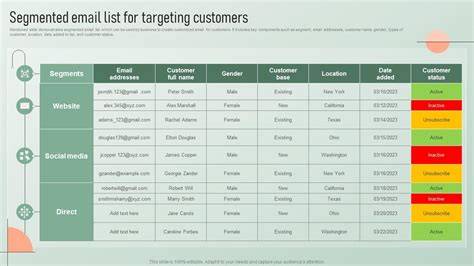
Segmenting your email list means dividing your contacts into groups based on shared characteristics or behaviors. This allows you to send messages that are relevant to each group, increasing the chances they’ll engage. Sending the same message to everyone often leads to low engagement because many recipients won’t find the content useful. You can segment by factors like past purchases, location, or engagement history. For example, if you sell outdoor gear, you might send hiking tips to customers who bought boots and campfire recipes to those who bought tents. Even simple segments based on recent activity can improve how your emails resonate. Targeted emails make your customers feel understood and reduce the risk of unsubscribes.
How do I write subject lines that make people want to open my emails?
The subject line is your email’s first impression and often decides whether someone opens it. To catch attention, try to create curiosity, urgency, or highlight clear benefits. Instead of "Monthly Newsletter," use something like "Your Guide to Summer Savings Inside" or "Don’t Miss Out: Exclusive Deal Ends Today." Keep subject lines short enough to read on mobile devices—around 40 to 50 characters works well. Avoid using all caps or too many exclamation points, which can look spammy. Adding a recipient’s name or location can boost open rates by making the message feel personal. Most importantly, your subject line should honestly reflect what’s inside the email to build trust over time.
What kind of content should I include to keep readers interested and clicking?
After someone opens your email, the content needs to keep their attention and guide them to take action, like making a purchase or visiting your website. Balance promotional offers with useful information, such as tips, stories, or helpful advice. Personalizing emails by referencing past purchases or preferences when possible makes your message more relevant. Always include clear calls to action—don’t make people guess what to do next. For instance, if promoting a sale, use a prominent button like “Shop Now” rather than a subtle text link. Avoid cluttering your email with too much text or too many links; a focused message is easier to engage with. For example, a bakery might share recipes and baking tips along with a coupon for a new product, making the email both valuable and tempting.
When is the best time and how often should I send my emails?
Choosing when and how often to send emails can significantly affect your results. While the best time varies by audience, many businesses see better engagement mid-week, mid-morning, or early afternoon. Testing different send times with your own list will help you find what works best. Regarding frequency, sending too many emails can annoy your subscribers and lead to unsubscribes, while sending too few might make people forget about you. For most small businesses, one to two emails per week is a good starting point. You can increase frequency temporarily during promotions or events but always watch how your audience responds. Respecting your subscribers’ inboxes builds trust and keeps them engaged over the long term.
How do I design emails that look good on all devices?
Since most people check email on their phones, your emails need to look good on both mobile and desktop. Responsive design means your email layout automatically adjusts to fit different screen sizes. This makes sure text is readable, buttons are easy to tap, and images don’t break the design. Many email marketing tools offer templates with built-in responsive design, so you usually don’t need to do any coding. Keep your design simple—single-column layouts work well on mobile, with clear fonts and contrasting colors for easy reading. Always preview your emails on multiple devices before sending. Mobile-friendly emails not only look professional but also encourage more clicks because they’re easier to use.
What metrics should I track to know if my campaign is working?
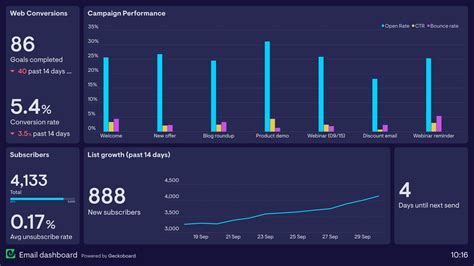
To see how your emails perform, focus on a few key numbers. Open rate shows how many people opened your email, which reflects how effective your subject line and sender name are. Click-through rate measures the percentage of recipients who clicked a link inside your email, showing how engaging your content is. Conversion rate tracks how many people completed the desired action, like making a purchase. Unsubscribe rate indicates if your emails are turning people away. Watching these metrics over time helps you understand what’s working and where you can improve. For example, a high open rate but low clicks might mean your subject lines are good but the content or calls to action need work.
How do I use my data to improve future campaigns?
Your email metrics are a roadmap to making your campaigns better. If certain segments open and click more, focus your efforts on those groups. If emails sent on Tuesdays get better results than Fridays, schedule more sends on Tuesdays. Low click rates might mean your calls to action aren’t clear or your content isn’t engaging enough. Try A/B testing different subject lines, send times, or content styles to find what your audience prefers. Over time, this data-driven approach helps you send emails that your customers look forward to and act on. Keep in mind that improvements take time, so watch trends across several campaigns rather than reacting to a single one.
Conclusion
The key to improving your email marketing is to start with clear goals and a focused audience, then create messages that speak directly to them. Don’t worry about getting everything perfect right away; instead, aim to send relevant, well-timed emails and learn from each campaign. Avoid blasting generic messages or skipping segmentation. A good sign you’re succeeding is when your open and click rates steadily improve and you begin to see more sales from your emails. Start with one small campaign using these steps, and adjust as you learn what your customers respond to. That’s how email marketing can truly help your business grow.
Frequently Asked Questions
How often should I clean my email list?
Clean your email list every few months by removing inactive subscribers. This helps improve engagement and reduces the chance your emails get marked as spam. Regularly pruning your list keeps your campaigns more effective and protects your sender reputation.
Can I use the same email content for all my customers?
It’s better to tailor your emails to different groups of customers. Sending the same message to everyone often lowers engagement because it won’t feel relevant. Even simple segmentation based on past behavior or interests can make your emails feel more personal and increase responses.
What should I do if my open rates are low?
Low open rates usually mean your subject lines or sender name aren’t grabbing attention. Try testing clearer, more compelling, or personalized subject lines and different send times. Also, make sure your emails aren’t going to spam by following best practices and avoiding spam triggers.
Is it necessary to have images in my emails?
Images can make emails more attractive but aren’t required. If you use images, make sure they load quickly and include descriptive alt text. Also, design your emails so the message is clear even if images don’t display, since some email clients block images by default.
How do I get started if I don’t have many email subscribers?
Focus on building your list by offering something valuable, like a discount or helpful content, in exchange for sign-ups. Promote your signup form on your website, social media, and in-store if you have a physical location. Once your list grows, send targeted, relevant emails to encourage engagement and steady growth.