If you’re struggling to run profitable Amazon PPC campaigns, you need a clear approach that boosts sales and cuts wasted spend. An Amazon PPC expert knows how to set up campaigns strategically, track the right metrics, avoid costly mistakes, and optimize bids and budgets for the best return on investment. This guide breaks down exactly how experts handle PPC to help you improve your results and grow your business confidently.
What exactly does an Amazon PPC expert do?
An Amazon PPC expert creates and manages pay-per-click campaigns that increase product visibility and sales on Amazon. They carefully select relevant keywords, structure campaigns into clear groups, set bids based on data, and monitor key metrics to spot what’s working and what’s not. Instead of just launching ads, they continuously analyze performance to prevent wasted spend and boost profitability. Their expertise includes mastering Amazon’s ad platform, using keyword research tools, interpreting data, and adjusting campaigns regularly. They balance budgets wisely and scale campaigns without losing control, turning ad spend into steady growth through strategic, data-driven decisions.
Why is your current Amazon PPC campaign not performing?
Common reasons your campaigns might not be profitable include targeting keywords that are too broad or expensive, which draw clicks but not sales. Poor campaign structure can mix unrelated products or keywords, making optimization difficult. Many sellers forget negative keywords, causing ads to appear in irrelevant searches and waste money. Not checking key metrics like ACOS and CTR regularly means missing warning signs of a campaign slipping. Budgets might be too low to collect useful data, or bids too high, leading to overspending without enough sales. An expert reviews your campaign setup, search term reports, and budget-to-margin alignment to quickly identify and fix these issues.
How do experts structure Amazon PPC campaigns for success?
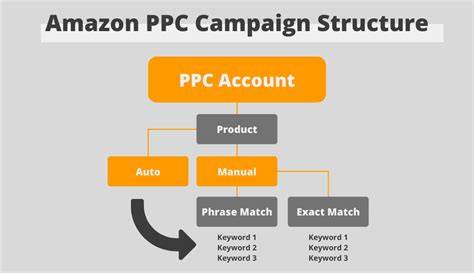
Experts set up campaigns by separating different goals and product types clearly. They use Sponsored Product campaigns with manual targeting split into ad groups by match type: exact, phrase, and broad. For example, one campaign focuses on exact match keywords known to convert, while another tests broader terms to find new opportunities. Each ad group contains tightly related keywords for precise tracking and optimization. Alongside manual campaigns, automatic campaigns catch additional search terms. Brands use Sponsored Brand and Sponsored Display ads strategically to increase visibility and retarget shoppers. This clear structure avoids overlap, controls budgets, and makes it easy to spot which keywords and products drive profits.
Which Amazon PPC metrics should you obsess over?
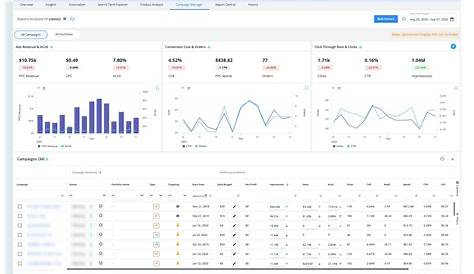
Some metrics matter more than others for managing Amazon PPC. ACOS (Advertising Cost of Sales) shows how much you spend in ads for every dollar earned; keeping it within your product’s profit margin is crucial. TACOS (Total ACOS) measures ad spend against total sales, revealing if ads help grow your overall business. CTR (Click-Through Rate) indicates how well your ads attract clicks—low CTR means your ads or keywords aren’t appealing. Conversion rate tells you how many clicks lead to purchases, showing if your product page and targeting align. Experts watch these metrics daily and adjust bids or keywords if ACOS rises or CTR falls. Balancing these numbers helps maximize profit, not just sales volume.
How do experts research and select the right keywords?
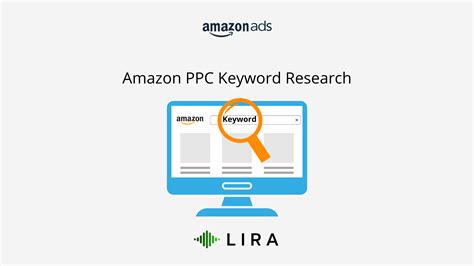
Experts use Amazon’s search term reports to find which actual queries convert. They analyze competitors to discover keywords they might be missing and use Amazon-specific keyword tools to find long-tail phrases shoppers use. Instead of guessing, they test many keywords in small campaigns or ad groups, then focus budget on the best performers. Relevance is key—experts avoid high-traffic but irrelevant terms that generate clicks without sales. They regularly update keyword lists and remove poor performers to keep campaigns focused on profitable searches.
What’s the role of negative keywords and how do experts use them?
Negative keywords prevent ads from showing on irrelevant or low-converting searches, saving budget. For example, if you sell premium leather wallets, adding "cheap" or "plastic" as negatives stops your ads from appearing in those unrelated searches. Experts check search term reports often to spot irrelevant queries and add them as negatives. This reduces wasted clicks, tightens targeting, and usually lowers ACOS. Neglecting negative keywords lets unqualified traffic drain your budget without sales.
How do experts optimize bids and budgets smartly?
Experts adjust bids and budgets based on performance and match type. They typically bid higher on exact match keywords that convert well and lower on broad match terms that need testing. They increase bids for top-of-search placements where conversions are better and lower bids elsewhere. Budgets are set according to product margins and sales history to avoid running out of funds or overspending. Experts monitor daily spend and tweak bids or budgets quickly if performance drops. This careful management maintains good ROI while allowing campaigns to grow efficiently.
When and how should you scale your Amazon PPC campaigns?
Scaling means increasing ad spend while keeping or improving profitability. Experts wait for stable or improving ACOS, steady conversion rates, and rising sales volume without cost increases before scaling. Increasing budgets gradually—around 10-20% at a time—lets campaigns adjust without wasting money. They also cautiously expand keyword lists or raise bids on proven winners. Scaling is about growing steadily without losing efficiency since doubling spend doesn’t always double profits. Careful monitoring during scaling captures more market share while controlling costs.
What are common pitfalls even experienced sellers fall into?
Experienced sellers often make avoidable mistakes like ignoring search term reports, which lets wasted spend go unchecked. Overbidding on keywords without testing profitability quickly drains budgets. Running too many broad match campaigns without control leads to irrelevant clicks. Forgetting to update negative keywords lets ads show for unrelated searches. Setting budgets too low limits data and slows optimization. Fixing these issues takes regular data review, disciplined bid changes, and organized campaign structure. Patience and steady work, rather than chasing quick wins, separate successful campaigns from costly failures.
How can you become your own Amazon PPC expert step-by-step?
Start by learning Amazon PPC basics through Amazon’s resources and solid courses. Audit your current campaigns—check structure, keywords, bids, and key metrics like ACOS and CTR. Use search term reports to find negative keywords and profitable phrases. Test new keywords and ad types with small daily budgets to limit risk. Review campaign performance every day or two, adjusting bids and pausing poor performers. Gradually add manual targeting alongside automatic campaigns. Use keyword tools and competitor analysis to expand thoughtfully. Over time, create a routine of data-driven tweaks and strategic scaling. Becoming an expert means consistent learning, testing, and refining, not quick fixes.
Conclusion
Begin by cleaning up your campaigns: focus your keywords, add negative keywords, and track metrics that show profitability. Ignore vanity metrics like clicks without sales and don’t increase budgets until your campaigns consistently make money. A good sign is when your ACOS stays within profit margins while sales grow steadily. Then use a structured approach by separating campaigns by match type and product, watch your data closely, and adjust bids carefully. With patience and regular attention, you can turn Amazon PPC from a money drain into a reliable sales driver.
Frequently Asked Questions
How often should I check my Amazon PPC campaigns?
Check your campaigns daily or every couple of days while optimizing. This helps you spot problems early and adjust bids or budgets before wasting money on poor-performing ads.
Can I run successful Amazon PPC campaigns without using manual targeting?
Automatic campaigns provide useful data, but manual targeting gives you control over which keywords to bid on and how much to spend. Experts recommend using both but rely on manual campaigns to improve performance and profitability.
What’s the difference between ACOS and TACOS, and which should I focus on?
ACOS shows ad spend compared to sales generated by ads alone, indicating immediate ad profitability. TACOS compares ad spend to total product sales, showing how ads impact overall growth. Both matter: ACOS helps control short-term costs, TACOS guides long-term strategy.
How do I know when to add negative keywords?
Regularly review your search term reports to find irrelevant or low-converting queries triggering your ads. Add these as negative keywords to reduce wasted spend. Doing this weekly or every two weeks works well.
Is it better to increase bids or budgets when scaling campaigns?
Both work, but experts usually increase budgets first to let campaigns gather more data. Then they raise bids on high-performing keywords to maximize ROI. Scaling carefully avoids overspending while expanding reach.