If you’re a small business owner wondering whether to hire an Adwords agency, the answer depends on your time, skills, and goals. Managing Google Ads can bring valuable customers, but only if campaigns are set up and optimized properly. If you don’t have the time or experience to handle this yourself, a professional agency can help avoid wasted spend and improve your returns. On the other hand, if you enjoy learning new tools and have a small budget, managing ads yourself might be fine for now. This guide will help you decide if you need an agency, what services to expect, how to choose one, and how to measure their impact on your business.
Do I really need an Adwords agency or can I manage on my own?
Start by honestly assessing your situation. If you’re short on time, not familiar with Google Ads’ setup, or unsure about ongoing adjustments, hiring an agency can save you from costly mistakes and free you up for other tasks. Managing campaigns yourself requires regular work—checking keywords, adjusting bids, testing ads, and analyzing data. Without experience, it’s easy to waste money or miss growth opportunities.
Budget is another key factor. Agencies charge fees on top of your ad spend, so if your budget is very tight, starting with a DIY approach might be more practical. But as your campaigns grow, professional management often boosts your return enough to cover the cost.
If you like learning new tools and can spend a few hours each week, managing your ads yourself can be rewarding and cost-effective. Many small business owners decide to hire agencies once Google Ads become a key part of their marketing and poor performance starts hitting sales. That’s usually the right time to bring in a skilled Adwords agency.
What exactly does an Adwords agency do for my business?
An Adwords agency handles every step of your Google Ads campaigns, starting with research and setup and continuing with ongoing management to improve results.
First, they do keyword research to find the search terms your customers use. This helps target your ads accurately and avoid wasting money on irrelevant clicks.
Next, they set up campaigns by organizing ad groups, writing ad copy, selecting targeting options, and setting budgets. Good agencies structure campaigns to improve relevance and quality scores, which lowers your costs and gets your ads seen by the right people.
Ongoing optimization is a major part of their work. Agencies track which keywords and ads perform best, pause those that don’t, test new ideas, and adjust bids to get the most from your budget. They also monitor conversions—actions like purchases or form fills—and use this data to refine the campaigns.
Finally, they provide regular reports so you can see how your ads are doing. These reports help you understand your return on investment and decide whether to increase your budget or adjust strategies.
How do I find a trustworthy and skilled Adwords agency?
Look beyond flashy claims when choosing an Adwords agency. Start by finding agencies with experience in your industry or working with businesses your size. Check if they have Google Ads certifications, which show they understand the platform.
Read reviews and ask for testimonials or case studies to learn how well they deliver results and communicate.
Referrals from other business owners or your network can offer honest insights.
Be cautious of agencies promising guaranteed rankings or clicks—they can’t control those outcomes. Avoid pressure to sign long contracts without trial periods or unclear pricing. Good agencies are transparent about their methods and keep communication open.
What questions should I ask during the first meeting with an Adwords agency?
Ask about their experience with businesses like yours and the strategies they use. Understanding their approach to keyword research, ad writing, and bid management helps you see if their style fits your needs.
Find out what tools they use for managing and reporting campaigns—this can show their level of professionalism.
Clarify how often they’ll update you and what reports you’ll get. Knowing how transparent and responsive they are upfront avoids surprises.
Ask when you can expect to see results and how they measure success to set realistic expectations.
Finally, discuss how they manage your budget and any extra fees besides their service charges to avoid unexpected costs.
How do Adwords agencies typically charge and what should I expect in contracts?
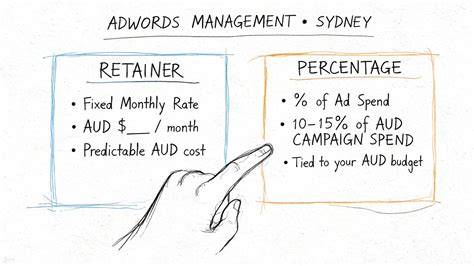
Agencies usually charge in one of three ways: a flat monthly fee, a percentage of your ad spend, or a performance-based fee tied to results. Each method has pros and cons.
Flat fees give you predictable costs but don’t change as your budget grows. Percentage fees align the agency’s earnings with your ad spend but can get costly as campaigns expand. Performance-based fees depend on clear definitions of success and can be tricky.
Contracts often include minimum time commitments, cancellation rules, and details about what services you’ll get. Watch for terms that lock you in without easy exit options or vague promises.
Make sure you understand what happens if you pause or stop your campaigns. Clear pricing and contract terms upfront help prevent misunderstandings and ensure you get the service you expect.
How will I know if the Adwords agency is delivering real value?
To judge if your agency is adding value, focus on key metrics like click-through rate (CTR), cost per conversion, and return on ad spend (ROAS). A rising CTR means your ads are relevant, while lower cost per conversion shows better efficiency.
Ask for regular reports that explain these numbers. Don’t be impressed by vanity metrics like impressions alone.
Look at trends over weeks or months rather than daily ups and downs. Real progress comes from testing and refining campaigns.
If your sales or leads increase while ad spend stays steady or goes down, that’s a strong sign the agency is doing well. If costs rise without better results, it’s time to ask questions.

Can I stay involved while the agency manages my campaigns?
Yes, staying involved is helpful. Most agencies welcome your input and will arrange regular check-ins to update you and get feedback.
You don’t need to control every detail, but sharing business information, commenting on ads, and giving insights about your customers helps them tailor campaigns.
Agree on a communication schedule that works for you—monthly calls or email updates are common.
Being involved helps you learn, keeps your goals clear, and builds trust without adding stress.
What mistakes do businesses often make when working with Adwords agencies?
A common mistake is expecting instant big results. Google Ads take time to optimize, so rushing leads to frustration.
Ignoring the agency’s advice or not providing enough information about your business limits their ability to help.
Failing to set clear goals or agree on communication routines causes misunderstandings.
Some businesses switch agencies too quickly, disrupting campaigns. Patience and clear dialogue usually lead to better outcomes.
How long does it typically take to see results from agency-managed Adwords campaigns?
Setting up campaigns and gathering initial data usually takes a few weeks. After that, agencies spend one to three months optimizing.
During this period, expect gradual improvements as underperforming ads are paused and better keywords targeted.
Meaningful results often appear after about three months, depending on your industry, competition, and budget.
Be cautious of anyone promising instant success; Google Ads require ongoing adjustments.
What should I do if I’m unhappy with my Adwords agency’s performance?
If you’re not satisfied, start by talking openly with your agency. Give specific examples and listen to their explanations.
Ask for changes or a new strategy. If communication is lacking, request more frequent updates.
If problems continue, check your contract for cancellation terms. You might consider a different agency, but avoid abrupt changes that could disrupt campaigns.
Meanwhile, keep monitoring your ads yourself to stay informed. Finding the right partner often takes time, but clear communication helps keep your marketing on track.
Conclusion
Before hiring an Adwords agency, honestly assess your time, skills, and goals. If you decide to work with one, focus on clear communication, realistic expectations, and transparent pricing and reporting. Avoid flashy promises or pressure tactics. A good agency relationship shows through steady campaign improvements, reasonable cost per lead or sale, and a partnership where your input matters. Start small, stay involved, and let the data guide your decisions—this approach helps your Google Ads investment pay off over time.
Frequently Asked Questions
How can I tell if an Adwords agency is right for my small business?
Consider whether you have the time and knowledge to manage campaigns yourself. If not, an agency experienced in your industry that communicates clearly and understands your goals can be a good fit.
What are the most important services an Adwords agency should provide?
They should handle keyword research, campaign setup, ongoing optimization, ad copywriting, and regular performance reporting. These services improve targeting, reduce wasted spend, and increase your return on investment.
Is it better to pay agencies a flat fee or a percentage of my ad spend?
Both have advantages. Flat fees offer predictable costs, while percentage fees scale with your budget and campaign size. Choose the model that fits your comfort and budget, and make sure all fees are clear upfront.
How often should I expect updates from my Adwords agency?
Monthly reports and check-in calls are common, but it depends on your preferences and campaign size. Regular communication keeps you informed and able to give feedback without micromanaging.
What should I do if I don’t see results from my Adwords campaigns after a few months?
Talk to your agency about your concerns, ask for detailed performance data, and request a revised strategy. Remember, Adwords success takes time and adjustments. If improvements don’t come, consider reviewing your partnership or exploring other options.