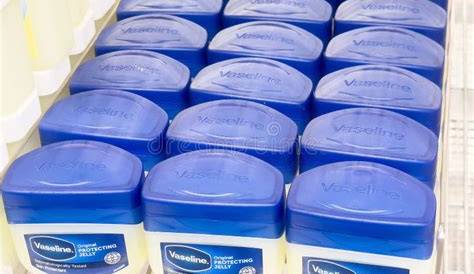
Vaseline sets its prices mainly through a value-based strategy, focusing on what customers are willing to pay for its trusted skincare products rather than simply marking up costs or matching competitors. This approach reflects Vaseline’s strong brand reputation, diverse product range, and the competitive skincare market. By balancing consumer perceptions, product variety, and market conditions, Vaseline keeps its pricing relevant and profitable across different regions and retail channels.
What pricing strategy does Vaseline actually use?
At its core, Vaseline uses a value-based pricing strategy. This means product prices are set based on the benefits and trust customers associate with the brand, not just production costs or competitors’ prices. For example, Vaseline’s classic petroleum jelly costs more than generic alternatives even though ingredients are similar, because buyers trust Vaseline’s quality and safety. That trust allows Vaseline to capture more value from loyal customers who view it as a dependable skincare staple. Still, Vaseline does consider costs and competitors, especially in price-sensitive markets or segments. So while value perception leads pricing decisions, the brand balances this with cost and competition factors to stay competitive and profitable.
Why does Vaseline price some products differently within the same brand?
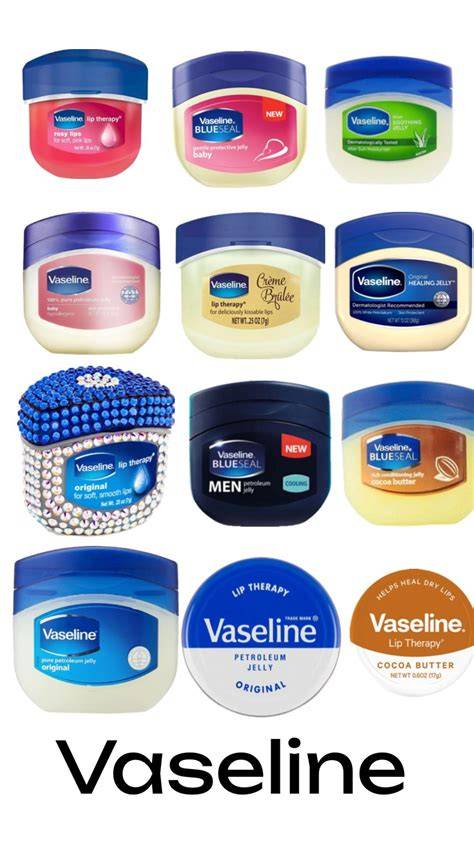
Prices vary within Vaseline’s product range due to packaging size, different formulations, and product variants. Larger jars or multi-packs generally have a lower price per unit to appeal to budget-conscious buyers or heavy users. On the other hand, specialized products like Vaseline Intensive Care or formulas with added ingredients such as aloe or cocoa butter are priced higher because they offer extra perceived benefits. These variations allow Vaseline to serve different customer needs and target multiple market segments without weakening the brand. Packaging innovations and premium formulas justify higher prices, while smaller, basic jars keep the brand accessible to more shoppers.
How does Vaseline’s brand reputation influence its pricing?
Vaseline’s long history as a trusted and effective skincare brand gives it strong pricing power. Many customers prefer Vaseline over cheaper, generic petroleum jelly because they associate it with quality, safety, and reliability. This brand equity lets Vaseline price products above many store brands without losing much market share. Because consumers value consistent results and peace of mind, they’re willing to pay a bit more. This advantage is crucial in personal care, where product safety and ingredients matter deeply. In short, Vaseline’s reputation supports premium pricing compared to less familiar or unbranded options.
What role do competitors play in Vaseline’s pricing choices?
Vaseline keeps an eye on competitors like Nivea, Aquaphor, and generic brands, but it doesn’t simply match their prices. Instead, it monitors competitor pricing to avoid being priced out of the market and to position itself strategically. For instance, when a generic brand cuts prices sharply, Vaseline might respond with promotions or highlight the extra value of its brand and product variants rather than lowering prices drastically. In crowded product categories, competitive pricing helps maintain shelf space and consumer interest, but Vaseline relies more on brand strength than price wars. This strategy protects profit margins while keeping Vaseline appealing compared to alternatives.
How does Vaseline price products across different markets and regions?
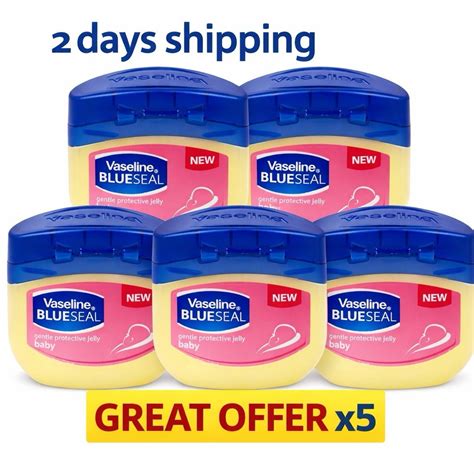
Vaseline’s prices differ internationally and across retail channels based on factors like local purchasing power, taxes, import costs, and competition. For example, prices tend to be higher in developed markets where consumers expect premium pricing and can afford it, while in emerging markets, lower prices encourage trial and adoption. Pricing also varies by retail channel—drugstores often charge more due to convenience and service, supermarkets may offer lower prices to attract everyday shoppers, and online retailers add dynamic pricing, shipping fees, and exclusive bundles. These geographic and channel-based pricing adjustments help Vaseline stay accessible, competitive, and profitable worldwide without using a single standard price.
How do promotions and discounts fit into Vaseline’s pricing strategy?
Vaseline uses promotions, coupons, and bundling as tactical tools to support its pricing strategy. While base prices reflect the brand’s value, occasional discounts or multi-item offers attract price-sensitive customers and boost sales volume. For example, "buy one, get one 50% off" deals encourage consumers to try new variants or stock up on favorites. These promotions add perceived value without permanently dropping the product’s price point. However, Vaseline avoids heavy discounting that might harm its premium image. Instead, promotions are carefully timed and targeted to protect brand prestige while driving short-term sales.
What distribution channels influence Vaseline’s pricing?
The retail channel affects Vaseline’s final prices. Drugstores often have higher prices because of convenience and specialized customer service. Supermarkets may offer lower prices to appeal to routine shoppers. Online retailers introduce dynamic pricing, shipping costs, and exclusive bundles. Company websites or direct sales platforms sometimes provide unique pricing or loyalty deals to build direct customer relationships. Vaseline adapts prices and promotional strategies to fit each channel’s expectations and competition. This flexibility ensures pricing feels fair and attractive wherever customers choose to buy.
How do consumer trends and demands shape Vaseline’s pricing evolution?
Consumer trends influence how Vaseline adjusts its pricing. Growing interest in natural ingredients and sustainable packaging pushes Vaseline to introduce products with eco-friendly packaging or plant-based formulas, which often come with higher prices due to added value and production costs. Customers willing to pay more for sustainable or "clean" beauty create opportunities for premium pricing within the brand. Trends toward multi-functional skincare or wellness also encourage Vaseline to launch specialized product lines at different price points. Keeping up with these trends helps Vaseline stay relevant and justify price changes that reflect evolving consumer values.
Are there any challenges or criticisms of Vaseline’s pricing approach?
Some consumers and critics find Vaseline’s prices high compared to generic petroleum jelly, especially for basic products with similar ingredients. Pricing transparency can be confusing when promotions and multi-pack deals make it hard to identify the true cost. In certain markets, the price gap between Vaseline and store brands may limit access for budget-conscious shoppers. Vaseline addresses this by offering a range of sizes and products at various price points and using occasional discounts to improve affordability. The brand leans on its reputation and quality to justify premium pricing while trying to balance fairness with brand value.
What can marketers learn from Vaseline’s pricing strategy?
Vaseline’s pricing strategy teaches several lessons. First, strong brand equity can support value-based pricing that goes beyond just cost or competitor matching. Second, having multiple product sizes and formulations lets a brand reach different customer segments without weakening its identity. Third, balancing promotions with brand reputation helps maintain loyalty and profitability over time. Fourth, adjusting prices by distribution channel and geography keeps a brand competitive and relevant globally. Finally, staying in tune with consumer trends allows for pricing innovation aligned with changing demands. These points show how a legacy brand can stay dynamic and successful through thoughtful pricing.
Conclusion
Pricing isn’t just about covering costs or beating competitors; for a brand like Vaseline, it’s about reflecting value and trust. Don’t get stuck on matching every competitor’s price—focus on what your brand and products truly offer. Use product lines and packaging options to serve different customers without compromising your brand’s position. Also, factor in distribution channels and market differences when setting prices. Keep an eye on consumer trends—they often signal when to adjust or innovate your pricing. Do these things, and pricing can become a powerful tool to sustain and grow your brand, just as Vaseline has done for over a century.
Frequently Asked Questions
Does Vaseline use cost-based pricing for its products?
Vaseline considers production costs but mainly relies on value-based pricing, focusing on what customers are willing to pay for the brand’s trusted skincare benefits rather than simply adding a markup on costs.
Why do Vaseline prices vary so much between different jar sizes?
Larger jars have a lower price per unit to attract heavy users or budget shoppers, while smaller sizes offer convenience at a higher per-unit price. This helps Vaseline meet different customer needs effectively.
How does Vaseline compete with cheaper generic petroleum jelly brands?
Instead of matching low prices, Vaseline leverages its strong brand reputation and product variants to justify premium pricing. It may use promotions strategically to stay competitive without harming its brand value.
Do Vaseline’s prices change in different countries?
Yes. Vaseline adjusts prices based on local factors like purchasing power, taxes, and competition to keep products accessible and profitable across different markets and retail settings.
How important are promotions in Vaseline’s pricing strategy?
Promotions and discounts help boost sales and attract price-sensitive customers without permanently lowering prices. This supports Vaseline’s premium image while driving volume when needed.