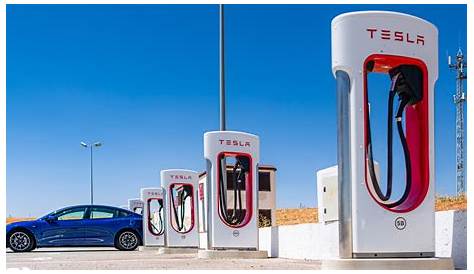
Tesla’s promotion strategy stands out because it avoids traditional advertising completely. Instead of spending on TV commercials or billboards, Tesla relies on Elon Musk’s public presence, social media buzz, customer enthusiasm, and memorable product launches to create excitement. This approach turns Tesla into a conversation starter and builds a loyal community, setting it apart from traditional car companies that depend heavily on paid ads.
Why doesn't Tesla use traditional advertising?
Tesla avoids traditional advertising like TV, print, and online ads mainly to save costs and because it trusts that its products will generate interest on their own. Instead of competing in a crowded ad space, Tesla invests in product development and infrastructure. This also helps maintain a clean, innovative brand image that feels more tech-driven and less like a typical car company shouting for attention. By not pushing paid messages, Tesla encourages curiosity and organic sharing, letting people discover and talk about its products naturally. This strategy suits Tesla because it has a clear product advantage and passionate customers, but it might not work for every brand or product that lacks these strengths.
How does Elon Musk’s personal brand boost Tesla’s promotion?
Elon Musk is a key promotional asset for Tesla. His active social media presence, especially on Twitter, keeps the company in the news without any advertising spend. Musk’s tweets about new features, company milestones, or offbeat comments spark widespread public and media interest. This direct communication feels authentic and immediate, contrasting with typical corporate messaging. Musk’s image as a visionary entrepreneur fits Tesla’s innovative brand perfectly, boosting its appeal. However, relying so much on one person carries risks—his controversial statements can affect public perception. Still, Musk’s involvement draws far more attention than traditional ads usually do, making him a unique promotional figure in the automotive world.
What role does social media play in Tesla’s promotion strategy?
Social media is central to Tesla’s promotion. The company uses Twitter and YouTube to share updates, product news, event information, and videos demonstrating their cars. These official posts spark conversations among fans and potential buyers without paid advertising. Beyond Tesla’s channels, a large and engaged community of owners and enthusiasts creates content like unboxing videos, reviews, and road trip stories. This user-generated content provides authentic promotion that reaches diverse audiences. Tesla doesn’t use paid influencer campaigns; instead, it relies on genuine fan culture to spread its message. This works well because people trust peer opinions more than ads. Maintaining this momentum requires Tesla to engage actively and respond quickly to feedback.
How does Tesla generate word-of-mouth and referrals?
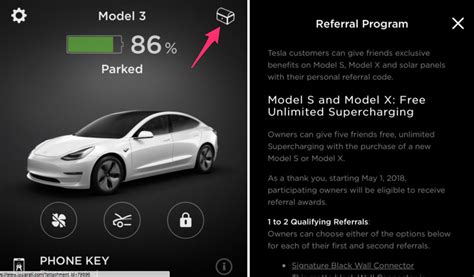
Word-of-mouth drives much of Tesla’s promotional success, supported by a referral program that rewards owners who bring in new customers with perks like free supercharging miles or chances to win exclusive experiences. This turns owners into motivated brand ambassadors eager to share positive experiences. Beyond formal rewards, Tesla drivers often passionately talk about the car’s innovation, performance, and environmental benefits with friends and family. This kind of unpaid advocacy builds trust that ads struggle to achieve. The referral program also fosters a community feeling among Tesla drivers, strengthening loyalty. However, positive word-of-mouth depends on consistent product quality and customer satisfaction, since any problems can spread quickly through the same channels.
What makes Tesla’s product launches and events effective promotions?
Tesla’s product launches and events create excitement and wide media coverage, effectively replacing traditional advertising campaigns. These carefully planned events reveal new models or features with dramatic flair and are often streamed live to millions worldwide. The combination of suspense, surprise announcements, and Elon Musk’s engaging presentations captivates audiences and creates viral moments. Media outlets and social media amplify this buzz, providing free publicity. Unlike typical car launches aimed at industry insiders, Tesla’s events speak directly to consumers, building anticipation and immediate interest. This approach reinforces Tesla’s identity as a tech-forward, innovative company. While these events demand meticulous planning and carry the risk of disappointing fans if expectations aren’t met, Tesla has generally succeeded in making each launch a major attention grabber.
How does Tesla’s brand identity support its promotion methods?
Tesla’s brand identity—focused on innovation, sustainability, and luxury—supports its low-key, buzz-driven promotion strategy. The company sells more than cars; it sells a vision of a cleaner future powered by advanced technology. This resonates with environmentally conscious consumers and tech enthusiasts who naturally become brand promoters. Because Tesla is viewed as a pioneer rather than a traditional automaker, conventional ads would clash with its image. Instead, Tesla’s reputation grows through stories of breakthroughs like battery tech, autopilot, and sleek design. The luxury aspect elevates Tesla’s appeal beyond a commodity, justifying excitement and premium pricing. This alignment makes Tesla’s promotion feel authentic and shareable. Maintaining this image requires continuous innovation and avoiding scandals that could damage trust.
Does Tesla’s approach work for all markets and products?
Tesla’s promotion strategy works best in markets where consumers are tech-savvy, environmentally aware, and value innovation, such as the U.S. and parts of Europe. In areas where electric vehicles are less familiar or charging infrastructure is limited, social media buzz and word-of-mouth may not be enough to drive sales. Tesla’s direct-to-consumer sales model and limited physical stores can also pose challenges in markets with different regulations or where buyers prefer in-person experiences. For premium models, Tesla’s strategy fits well by creating exclusivity and excitement. However, applying this approach to more affordable, mass-market vehicles might be harder, since traditional advertising often plays a bigger role there. Overall, Tesla’s strategy relies on products that spark conversation and audiences eager to share; brands without this appeal may need a different promotional mix.
How do competitors respond to Tesla’s promotion tactics?
Competitors have noticed Tesla’s success and some have started using similar tactics, but with varying results. Many traditional carmakers now use social media more actively, host their own launch events, and work with influencers. Some emphasize sustainability and technology in their messaging to align with Tesla’s image. However, few match Tesla’s organic buzz without heavy ad spending. Many still rely on conventional advertising because their products don’t inspire the same excitement or passionate fans. Others respond by focusing on strengths like reliability, dealer networks, or price. This shows Tesla’s promotion style fits its unique brand and market position. Competitors often combine Tesla-inspired tactics with traditional marketing to fit their audiences and strengths.
What lessons can marketers learn from Tesla’s promotional success?
Marketers can learn several things from Tesla’s approach. A clear, authentic brand identity can be more powerful than flashy ads. When your product or story connects deeply with people, word-of-mouth and social media buzz can fuel growth naturally. Using an influential figure like Elon Musk can amplify reach without paid ads, but it requires managing risks. Creating memorable events or launches can capture attention and earn free media coverage. Engaging customers as advocates through referral programs or communities builds loyalty and spreads your message. Importantly, Tesla succeeds by combining several strategies, not by skipping advertising alone. These lessons show that focused, audience-centered promotion often beats expensive traditional campaigns.
How can other brands adapt Tesla’s strategies to their own promotion plans?
To adapt Tesla’s strategies, start with a strong, compelling brand story that connects emotionally with your audience. Focus on making products or experiences that people want to talk about and share. Use social media to engage directly—share behind-the-scenes content, respond to questions, and encourage user-generated posts. Referral programs that reward loyal customers can turn buyers into promoters. Plan impactful product launches or events to generate buzz without large ad budgets. If you have a charismatic leader or spokesperson, use their voice to humanize your brand but be mindful of any risks. Remember, Tesla’s approach fits its unique identity and market, so tailor these tactics to your own strengths and audience. Not every brand can avoid paid ads entirely, but blending organic promotion with selective advertising often works best.
Conclusion
Focus on what makes your brand unique and how to spark genuine interest without relying on traditional advertising. A strong brand story, active social media presence, and enthusiastic customers who share their experiences can create real momentum. Don’t feel pressured to copy every marketing trend; instead, choose the tactics that naturally fit your product and audience. Success means conversations about your brand, media sharing your stories, and customers becoming advocates. Tesla shows that less can be more in promotion when authenticity and innovation lead the way.
Frequently Asked Questions
Why doesn't Tesla spend money on traditional advertising?
Tesla avoids traditional ads to save costs and because it believes its products generate enough organic interest. Instead, it invests in innovation and relies on social media buzz, Elon Musk’s presence, and word-of-mouth to spread its message.
How important is Elon Musk’s role in Tesla’s promotion?
Elon Musk’s personal brand is very important. His active social media presence and media coverage give Tesla free publicity that traditional ads can’t match. However, his statements can also impact the brand’s image, so there are risks involved.
Does Tesla use social media ads to promote its cars?
No, Tesla does not use paid social media ads. It shares news and engages fans through platforms like Twitter and YouTube, while its enthusiastic customers create much of the promotional content organically.
How effective is Tesla’s referral program?
Tesla’s referral program encourages customers to recommend the brand by offering rewards, turning buyers into unpaid ambassadors. This helps build trust and spreads positive word-of-mouth efficiently.
Can other brands copy Tesla’s promotion strategy exactly?
Not exactly. Tesla’s strategy fits its unique brand, product appeal, and audience. Other brands can learn from Tesla’s focus on authenticity, social engagement, and events but should adapt these tactics to their own strengths and markets.