Tesla’s marketing mix stands apart from traditional automakers by focusing on innovation, direct sales, and a unique brand experience. Unlike other car brands, Tesla doesn’t rely on dealerships or typical advertising. Instead, it combines cutting-edge electric vehicles, flexible pricing, direct customer relationships, and word-of-mouth promotion driven by Elon Musk’s personal brand. Understanding Tesla’s approach reveals how it reshapes automotive marketing by selling not just cars, but a vision for the future.
What exactly is Tesla’s marketing mix?
Tesla’s marketing mix is built around the four Ps: Product, Price, Place, and Promotion. The Product includes electric vehicles and energy solutions that emphasize innovation and advanced technology. Pricing reflects a premium position but also adjusts dynamically to manage demand and stay competitive. Place is unconventional, with Tesla selling directly to customers online and through company-owned showrooms instead of traditional dealerships. Promotion depends largely on word-of-mouth, social media, and Elon Musk’s public presence rather than traditional advertising. Together, these elements create a marketing approach that prioritizes a personalized and forward-thinking brand experience over mass-market campaigns.
How does Tesla’s product strategy stand out from other car brands?
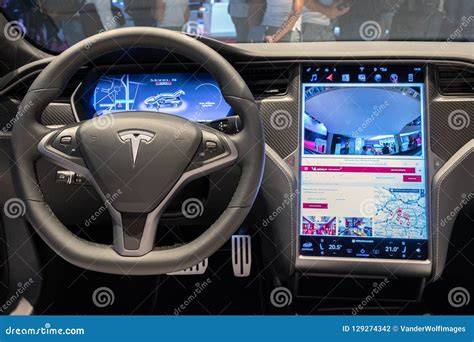
Tesla’s product strategy is central to its marketing because the cars themselves are powerful marketing tools. Instead of following traditional carmakers, Tesla focuses on electric innovation, combining strong performance with sustainability. Features like over-the-air software updates let Tesla vehicles improve after purchase, keeping customers engaged long term. The minimalist, sleek design also creates a distinctive brand identity without loud advertising. The product’s technology and style communicate Tesla’s mission clearly, turning early buyers into enthusiastic advocates who spread the word organically.
Why doesn’t Tesla use traditional car dealerships?
Tesla avoids traditional dealerships by selling directly to customers through its website and company-owned showrooms. This direct sales model gives Tesla better control over pricing, customer experience, and brand messaging. It eliminates dealership markups and inconsistent sales tactics. However, some regions restrict direct car sales, creating legal challenges. Despite this, Tesla’s approach resembles modern retail models seen in tech products, offering customers a simpler buying experience without negotiating with middlemen. The trade-off is fewer physical locations compared to traditional automakers, which can limit hands-on opportunities for some buyers.
How does Tesla set its prices and what does that say about its brand?
Tesla’s pricing blends premium positioning with flexibility. The brand often sets higher prices than many competitors to reinforce its luxury and innovation image. Yet Tesla adjusts prices periodically, sometimes lowering them to stimulate demand or reflect production improvements—something less common in traditional luxury car markets. This flexible pricing helps Tesla stay competitive without relying on frequent discounts. It signals to buyers that Tesla vehicles are investments in technology and sustainability rather than bargains, which supports strong brand loyalty and perceived value.
How important is Elon Musk and word-of-mouth in Tesla’s promotion?
Tesla’s promotion strategy depends heavily on word-of-mouth and Elon Musk’s personal brand instead of traditional advertising. Tesla rarely spends on TV or print ads. Instead, social media chatter, media coverage of Musk’s announcements, and enthusiastic customer referrals build awareness. Musk acts as a high-profile spokesperson, engaging directly with fans on platforms like Twitter to share updates and tease new features. This approach creates a feeling of community and immediacy around Tesla’s brand. While it saves on advertising costs, it also ties Tesla’s reputation closely to Musk’s public image, which can be both an asset and a risk.
What role do Tesla’s service centers and charging stations play in its marketing?
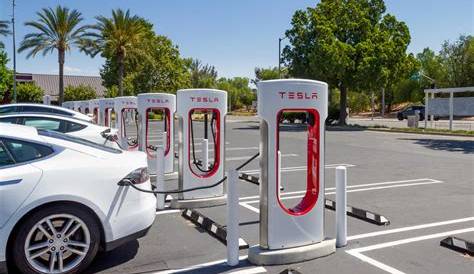
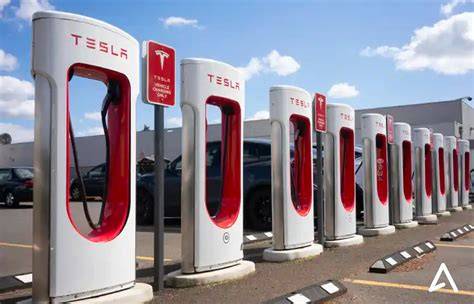
Tesla’s service centers and Supercharger stations are key parts of its marketing mix. They support the product by making ownership convenient and reliable, which is essential for electric vehicles. The Supercharger network reduces range anxiety and enables long-distance travel, reinforcing Tesla’s promise of practical innovation. Service centers offer direct support and maintenance, ensuring a consistent customer experience. These facilities do more than function—they strengthen Tesla’s image as a company that cares about the entire ownership journey. For customers, knowing reliable service and charging options exist nearby builds trust and encourages positive word-of-mouth.
How does Tesla’s marketing mix help it compete against traditional automakers?
Tesla’s marketing mix challenges traditional automotive norms by focusing less on mass advertising and dealer networks and more on product innovation, direct sales, and community-driven promotion. This gives Tesla tighter control over customer experience, quicker response to market changes, and stronger brand loyalty. Traditional automakers often depend on dealer incentives, broad ad spending, and wide model ranges, which can dilute brand identity. Tesla’s focused marketing mix creates a clear niche as a tech-forward, sustainable brand appealing to early adopters and eco-conscious buyers. This helps Tesla stand out and build a loyal customer base connected to its mission.
What are the risks or challenges Tesla faces with its marketing strategy?
Tesla’s unconventional marketing mix has risks. Heavy reliance on Elon Musk’s persona means the brand’s image can be affected by his public behavior or statements. Limited traditional advertising reduces control over messaging and might slow awareness among less tech-savvy customers. Price changes can confuse buyers or frustrate those who paid more earlier. Legal and regulatory barriers to direct sales in some areas limit growth or complicate operations. The sparse physical presence means some potential buyers have fewer chances for test drives or hands-on experience. Tesla must carefully manage these challenges to maintain customer trust and momentum.
How can other companies learn from Tesla’s marketing mix?
Other companies can learn from Tesla’s focus on product innovation as a marketing tool, creating features that naturally generate interest. Direct customer relationships and control over distribution can improve brand consistency and responsiveness. Leveraging authentic voices or influential figures can create buzz without big ad budgets. However, companies should be cautious about over-relying on personalities or unconventional channels. Investing in infrastructure that supports customer experience—from service centers to convenience features—also strengthens loyalty. Tesla’s example shows that breaking with tradition can work, but only when all parts of the marketing mix support each other thoughtfully.
Where can I see Tesla’s marketing mix evolving next?
Tesla’s marketing mix may evolve with new products like the Cybertruck and more affordable models targeting broader markets. Expanding internationally will likely require adjusting sales models to comply with local laws, possibly blending direct sales with partnerships. Tesla might increase official communications or advertising as competition grows. Its service and charging networks will probably expand to support global growth. Expect more integration of software and subscription services, turning products into ongoing relationships rather than one-time sales. Tesla’s marketing will likely stay flexible and innovative as the electric vehicle market matures and customer expectations change.
Conclusion
Tesla’s marketing mix is less about flashy ads and more about creating a unified experience through product innovation, pricing strategy, direct sales, and promotion. It shows that car companies don’t have to follow the traditional dealership-and-advertising playbook. Instead, Tesla builds its brand through innovation, personal connections, and authentic buzz. While this approach involves risks like pricing shifts and reliance on Elon Musk’s image, it offers a fresh path in automotive marketing. If you focus on a product that speaks for itself and craft a marketing mix that fits your story, you can achieve results beyond traditional methods. Marketing works best when it feels like a seamless experience, not a set of disconnected tactics.
Frequently Asked Questions
Why doesn’t Tesla advertise like other car companies?
Tesla relies mainly on word-of-mouth and Elon Musk’s social media presence instead of traditional ads. This approach cuts costs and generates more natural, organic buzz around the brand.
How does Tesla’s direct sales model affect customers?
Selling directly lets Tesla control pricing and customer experience better, avoiding dealership markups or negotiations. However, it also means fewer physical locations in some areas, which can limit in-person experiences.
What makes Tesla’s product strategy unique?
Tesla focuses on electric innovation, with software updates that improve cars after purchase and a distinctive, minimalist design. The product itself becomes a strong marketing tool.
Can Tesla’s pricing changes confuse customers?
Yes, periodic price adjustments can cause uncertainty or frustration, especially if prices drop soon after a purchase. But these changes also help Tesla manage demand effectively.
What role do Tesla’s charging stations play in marketing?
Tesla’s charging stations reduce range anxiety and make electric driving more convenient, reinforcing the brand’s promise of practical innovation and improving customer satisfaction.