A Data Protection Officer (DPO) under the GDPR is a key figure responsible for ensuring your organisation handles personal data correctly and complies with data protection laws. The DPO’s role includes monitoring GDPR compliance, advising on privacy risks, and acting as a liaison with regulators and individuals whose data you process. For small business owners and compliance managers, understanding when you must appoint a DPO and what they do helps you protect your customers’ data and avoid fines.
What exactly does a Data Protection Officer do under GDPR?
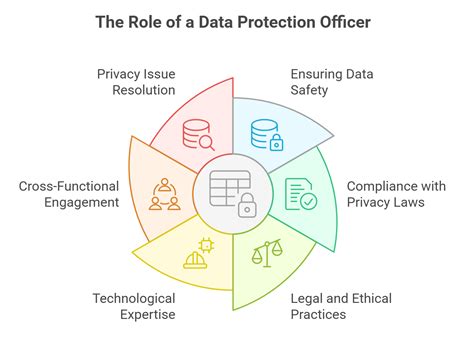
A DPO oversees how your organisation processes personal data to ensure compliance with the GDPR. They monitor daily data handling practices, conduct audits, and review contracts with third parties to keep data processing lawful. The DPO advises on Data Protection Impact Assessments (DPIAs), which evaluate privacy risks before launching projects involving personal data, like a new customer database. They help your team understand their responsibilities in plain language and suggest updates to policies or training to address emerging risks. Essentially, the DPO acts as an internal advisor and watchdog, balancing practical business needs with legal requirements.
Who is required to appoint a Data Protection Officer?
Not every business must have a DPO, but the GDPR requires certain organisations to appoint one. Public authorities and bodies always need a DPO, regardless of size. Private companies must appoint a DPO if they carry out large-scale systematic monitoring of individuals—for example, tracking user behaviour on a social media platform—or process special categories of data like health information on a large scale, such as hospitals or companies running employee wellness programs. If your business processes personal data only occasionally or on a small scale, you may not be legally required to appoint a DPO, though having someone knowledgeable about data protection can still be valuable. The deciding factors are whether your data processing involves regular and systematic monitoring or large-scale handling of sensitive data.
Can anyone be a Data Protection Officer or are special qualifications needed?
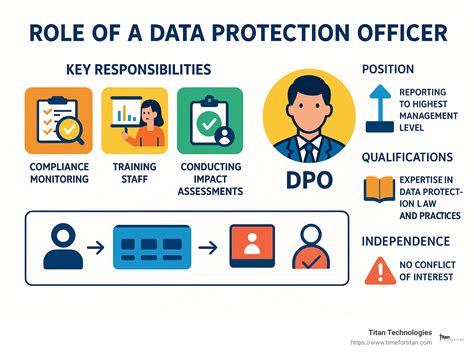
The GDPR doesn’t list specific qualifications for a DPO, but it expects them to have expert knowledge of data protection laws and practices relevant to your sector and data types. This doesn’t mean a law degree is necessary, but the DPO must understand GDPR well enough to guide your team and identify risks early. Independence is essential: the DPO must carry out their duties free from instructions on how to manage specific data tasks and cannot be penalised for performing their role. Many organisations appoint someone internally who knows the business and can dedicate sufficient time, while others hire external DPO services. The DPO should report directly to top management to have enough authority and visibility to influence data protection decisions.
What legal articles in GDPR define and govern the DPO role?
The GDPR defines the DPO role mainly in Articles 37 to 39. Article 37 explains when you must appoint a DPO, including requirements for public authorities and large-scale data processors. Article 38 sets the DPO’s position within the organisation, highlighting their independence and the need for adequate resources and access to data processing activities. Article 39 outlines the DPO’s tasks: monitoring compliance, advising on DPIAs, cooperating with regulators, and being a contact point for data subjects. These articles protect the DPO from dismissal or penalties related to their work and ensure they have the authority to perform effectively. Knowing these articles clarifies the DPO’s legal foundation in your organisation.
How does the DPO interact with the rest of the company?
The DPO connects your staff, management, and the people whose data you handle. They work closely with departments like marketing, IT, and HR to make sure everyone understands their role in protecting personal data. Part of their job is to provide training and raise awareness about risks such as phishing or data leaks. The DPO advises management on embedding privacy by design and default practices, ensuring data protection is considered from the start of any project. For example, when your IT team sets up a customer database, the DPO helps implement access controls and encryption. They also help develop and update internal policies to keep data handling consistent and lawful. This collaboration builds a culture of privacy and reduces compliance risks.
What powers and resources must be given to a DPO?
To be effective, a DPO needs autonomy and support. Your organisation must allow them to perform their tasks without interference or retaliation when raising concerns. The DPO should have direct access to senior management to report risks or non-compliance quickly. They also need access to all data processing activities, including contracts, IT systems, and training records, so they can monitor compliance thoroughly. Providing adequate resources—such as dedicated time, budget for training, and external support if needed—is essential. Without these, the DPO may miss important issues that could lead to breaches or fines.
How does the DPO communicate with regulators and data subjects?
The DPO serves as the main contact point for supervisory authorities like data protection regulators. If your organisation undergoes an audit or must report a data breach, the DPO manages communications and coordinates responses, ensuring deadlines are met and information shared is appropriate. The DPO also supports handling data subject requests, such as access, correction, or deletion of personal data. While they don’t decide on these requests, they help make sure they’re processed lawfully and promptly. For example, if a customer asks what data you have on them, the DPO assists in fulfilling that request and explains how their rights are protected. This role supports transparency and trust between your organisation and individuals.
What are common misunderstandings about the DPO’s role?
A common mistake is thinking the DPO alone is responsible for GDPR compliance; in reality, the whole organisation shares this duty. The DPO advises and monitors but does not make final decisions about data processing. Another misconception is that the DPO can approve or reject processing activities; their role is to guide and raise concerns, not act as a gatekeeper. Some believe the DPO must be an external consultant, but many companies successfully appoint internal staff with the right expertise. Also, the DPO’s work isn’t limited to legal matters—they often engage with IT, HR, marketing, and other departments. Clearing these up helps set realistic expectations and allows the DPO to work effectively.
What happens if you don’t appoint a required DPO or don’t support them properly?
Failing to appoint a required DPO or not supporting them properly can lead to serious consequences. Data protection authorities can impose substantial fines for non-compliance, and missing a required DPO is a clear violation. Beyond fines, your organisation risks losing customer and partner trust, which harms your reputation. Without a DPO overseeing compliance, you may overlook risks that lead to data breaches or mishandling of personal data. These incidents are costly to fix and damage your brand. Providing proper support to your DPO helps you avoid these issues and shows regulators and customers you take privacy seriously.
How do you choose or become an effective Data Protection Officer?
Selecting or becoming an effective DPO means combining solid GDPR knowledge, understanding your organisation’s data flows, and communicating clearly with different teams. If choosing internally, pick someone who can dedicate enough time and has management’s respect. Ongoing training is vital since GDPR rules and best practices evolve. Smaller organisations might find hiring an external DPO service helpful to access specialised expertise. Ultimately, a good DPO blends technical know-how, independence, and interpersonal skills to embed data protection into your company’s culture and everyday work.
Conclusion
First, determine if your organisation needs a DPO under GDPR—this depends on the scope and type of your data processing. If you do, appoint someone with the right expertise and independence, and give them the authority and resources to do their job well. Remember, data protection is a team effort; the DPO advises and guides but does not handle compliance alone. Supporting your DPO helps you avoid fines and reputational damage, and builds trust with your customers. When integrated properly, the DPO becomes an invaluable partner in managing personal data responsibly and lawfully.
Frequently Asked Questions
Is a Data Protection Officer the same as a data security officer?
No. A Data Protection Officer focuses on legal compliance with data protection laws like the GDPR and advises on privacy and legal risks. A data security officer typically handles technical measures to protect data from breaches. Both roles work together but have different responsibilities.
Can a small business avoid appointing a DPO?
Many small businesses that don’t process large amounts of data or special categories of data aren’t legally required to appoint a DPO. However, having someone knowledgeable about data protection can still help manage risks and compliance.
Does the DPO have decision-making power over how data is processed?
No. The DPO advises and monitors compliance but does not have authority to approve or reject data processing activities. Decisions remain with the organisation’s management or data controllers.
Can the DPO be an external consultant?
Yes. Organisations can appoint an external DPO, especially if they lack internal resources or expertise. This can be a cost-effective way to meet GDPR requirements and access specialised knowledge.
What happens if a company ignores appointing a required DPO?
Ignoring the requirement can lead to enforcement actions from data protection authorities, including fines and orders to comply. It may also harm your reputation and increase risks of data protection failures.