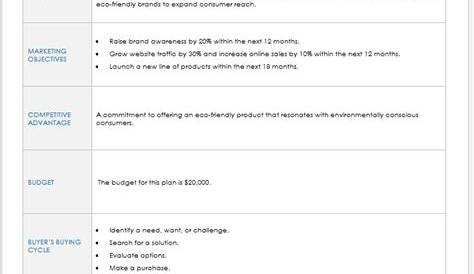
Starting a marketing plan for your small business can feel overwhelming, but it’s simpler than it seems once you know the key steps. A marketing plan is your clear guide to reaching the right customers with the right message, setting realistic goals that connect directly to your business outcomes. It involves understanding who your customers are, choosing just the marketing channels that fit your audience and budget, and regularly checking what’s working so you can improve along the way.
What exactly is a marketing plan and why do I need one?
A marketing plan is a straightforward roadmap for promoting your business to attract and keep customers. It helps you focus your time and money on the opportunities that matter most, rather than trying everything at once and risking wasted effort. Without a plan, you might spend on ads or tools that don’t fit your goals or reach your real audience. Think of it like planning a trip—you wouldn’t just drive around hoping to find something interesting. The plan points you in the right direction and helps you use your resources wisely to grow your business.
How do I figure out what my marketing goals should be?
Start by looking at your overall business objectives. What specific results do you want, like increasing sales by a certain percentage, bringing in more foot traffic, or building a stronger brand? Once you know your business goals, turn them into marketing goals that are clear and measurable. For example, instead of "get more customers," say "gain 50 new customers in the next 6 months through online ads." This follows the SMART criteria: goals should be Specific, Measurable, Achievable, Relevant, and Time-bound. Setting realistic marketing goals that tie to your business outcomes keeps your efforts focused and makes it easy to track progress.

Who am I really trying to reach with my marketing?
Knowing your ideal customer helps you create marketing that truly connects. Go beyond basic details like age or gender to understand their challenges and what your product or service solves for them. Where do they spend time online or offline? What motivates their buying decisions? Building a detailed customer profile or persona guides your messaging and channel choices. For example, if you sell eco-friendly baby products, your ideal customers might be health-conscious new parents who read parenting blogs and participate in social media groups for advice. This deep understanding lets you focus on the places and messages that matter most instead of guessing or trying to reach everyone.
What’s the smartest way to research my competition and market?
You don’t need fancy tools to learn about your competition and market trends. Start by identifying your main competitors and what they offer. Check their websites, social media, and customer reviews to see what they do well and where customers feel they fall short. This can reveal gaps your business can fill or ideas to improve on. Also, watch general market trends that affect your business, like seasonal demand or shifting customer preferences. This research helps you position your business to stand out and avoid common mistakes others have made. It’s about learning from what’s already there instead of starting from scratch.
Which marketing channels will actually work for my business?
Choose marketing channels based on where your ideal customers spend time and what fits your budget. Instead of trying every option, pick a few that make the most sense. For example, if your customers are local and older, local newspapers or community events might be better than Instagram. If you sell online to younger buyers, social media and email marketing can be more effective. SEO (search engine optimization) helps if people search online for products like yours. The key is to match your channels to your audience’s habits and your ability to manage them well, so you don’t spread yourself too thin or waste resources.
How do I set a realistic budget without wasting money?
Your marketing budget should align with your goals and what you can afford. Start by listing your marketing priorities based on your goals and audience. Then allocate money to the channels and activities with the best chance of return, rather than spreading it evenly or chasing trendy tactics. For example, if email marketing drives repeat sales effectively, it should get a good share of your budget. Keep some funds flexible to test new ideas on a small scale. Track your spending closely so you can cut back on what’s not working and invest more where you see results.
What’s a basic timeline or roadmap for executing my marketing plan?
Break your plan into clear steps over weeks or months, depending on your goals. Start by setting up or updating your website and social profiles, since these are your foundation. Then schedule content creation, ads, or events around important dates like product launches or seasonal peaks. Don’t try to do everything at once; focus on one or two activities at a time and build from there. For example, you might spend the first month creating an email list and social media presence, then launch your first campaign in the second month. A timeline like this keeps you organized and prevents feeling overwhelmed.
How do I track if my marketing plan is working or needs changes?
Choose a few key metrics that relate directly to your goals. If your goal is more sales, track leads generated, conversion rates, or revenue from marketing. For brand awareness, look at website visits or social media engagement. Use simple tools like Google Analytics or built-in insights from social platforms to collect data. Don’t forget to ask customers how they found you or which messages connect with them. Regularly review this information to see what works and what doesn’t. Then adjust your plan—maybe shifting budget, changing messages, or trying new channels—based on real feedback instead of guessing.
What common mistakes should I avoid when creating a marketing plan?
Avoid setting vague goals like "increase visibility" without a clear way to measure them. Don’t ignore who your real customers are—that often leads to wasted effort on channels or messages that don’t connect. Trying every marketing tactic at once spreads you too thin and reduces your impact. Also, don’t assume a method that worked for someone else will work the same for you. Stick to your priorities, be honest about your time and budget, and keep your plan simple enough to manage effectively.
How can I keep my marketing plan flexible but focused as my business grows?
Think of your marketing plan as a living document that changes as your business does. Set regular check-ins every few months to review your goals, results, and market changes. This helps you spot when something isn’t working or when new opportunities come up. Keep your main goals in mind, but be ready to adjust strategies or channels as needed. For example, if you start reaching a new customer segment, you might add a channel to target them. Staying flexible keeps your plan current, while staying focused prevents distractions from your main business growth goals.
Conclusion
Start your marketing plan by choosing one clear goal tied to your business outcomes and defining exactly who you want to reach. Resist the urge to use every channel or chase every trend—focus on a few strategies that fit your audience and budget. Build a simple timeline, set a realistic budget, and use tools to measure what’s working. Keep reviewing and adjusting your plan based on real data and feedback. This approach makes marketing less stressful and more effective, helping your small business grow steadily without wasting time or money.
Frequently Asked Questions
How long should my marketing plan cover?
Most small business marketing plans work well over 6 to 12 months. This period is long enough to try strategies and see results but short enough to stay flexible and make changes when needed.
Do I need to include every marketing channel in my plan?
No. It’s better to focus on a few channels that fit your target audience and budget. Trying to use every channel usually spreads you too thin and lowers your effectiveness.
What if I don’t know who my ideal customer is?
Start by thinking about your current customers or who benefits most from your product or service. You can also gather feedback through surveys or casual conversations to build a clearer customer profile over time.
How often should I review and update my marketing plan?
Reviewing your plan every 3 to 6 months is a good practice. This keeps your marketing aligned with business changes, market trends, and what your data shows is working.
Can I create a marketing plan on my own without hiring a professional?
Yes. Many small business owners make effective marketing plans on their own by focusing on clear goals, understanding their audience, and using simple tools to track progress. Starting simple and learning as you go works well.