If you’re a small business owner or blogger wondering about the difference between Google Ads and Google AdSense, here’s a simple explanation: Google Ads is a platform where you pay to show your ads to potential customers, while Google AdSense is a program that lets website owners earn money by displaying ads on their sites. Google Ads helps you promote your products or services to grow your business, whereas AdSense helps you monetize your existing website traffic by hosting ads. Knowing which one fits your goals will help you decide whether to invest in advertising or start earning from your content.
What exactly is Google Ads?
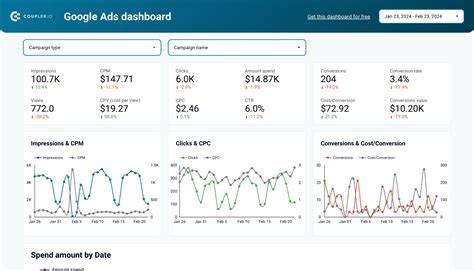
Google Ads is an advertising platform where businesses create ads and pay to display them across Google’s search results, YouTube, and many partner websites. When using Google Ads, you’re paying to promote your products or services directly to people searching for related items or browsing relevant sites. For example, a local bakery could create ads that appear when someone searches for "fresh bread near me." The primary aim is to attract more visitors, leads, or sales by putting your message in front of potential customers who are ready to act.
What exactly is Google AdSense?
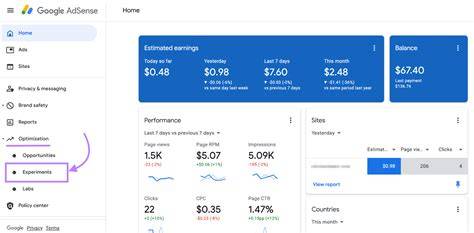
Google AdSense is a program for website owners who want to earn money by showing ads on their pages. If you run a blog, news site, or any content-rich website, AdSense can automatically display ads that relate to your visitors’ interests. Each time someone clicks on an ad, you earn a share of the advertising revenue. This lets you monetize your content without needing to find advertisers yourself. For instance, a gardening blogger might place AdSense ads on their site and earn income whenever visitors interact with those ads.
Who uses Google Ads and for what purpose?
Google Ads is mainly used by advertisers—businesses, organizations, or individuals—who want to promote their products or services. These users aim to increase website traffic, generate sales or leads, and boost brand awareness by targeting specific keywords or audiences. For example, a startup selling eco-friendly water bottles might use Google Ads to reach people searching for sustainable products or fitness gear. The core purpose is to invest money in advertising to attract new customers and grow the business.
Who uses Google AdSense and for what purpose?
Google AdSense is used by website owners, bloggers, and small publishers who want to earn money from the visitors they already have. Instead of directly selling products, they allow Google to place ads on their site and earn revenue when visitors view or click those ads. This approach helps generate passive income by monetizing existing content. For example, a travel blogger sharing destination guides might use AdSense to earn money without charging readers or selling products. It’s about making the most of your audience rather than actively seeking new customers.
How does the money flow in Google Ads vs AdSense?
In Google Ads, advertisers pay Google to show their ads, usually based on clicks or impressions. Google then shares a portion of that revenue with publishers through AdSense. Publishers earn money when visitors see or click the ads displayed on their sites. So, advertisers spend money to promote their offerings, while publishers earn money by hosting those ads. Though they serve different roles, the two platforms work together: advertisers fund the system, and publishers benefit by sharing in that revenue.
Can I use both Google Ads and AdSense at the same time?
Yes, you can use both platforms simultaneously, especially if you run a business with a content-rich website. For example, you might use Google Ads to attract customers to your online store while also running a blog on the same site that earns money through AdSense ads. Just remember, your goals for each platform are different—Google Ads helps you spend money to grow your business, while AdSense helps you earn money from visitors you already have.
What are the biggest misconceptions about Google Ads and AdSense?
A common misunderstanding is that Google Ads and AdSense compete against each other. In reality, they complement each other: advertisers pay to run ads through Google Ads, and publishers earn money by displaying those ads via AdSense. Another confusion is thinking you must choose one platform over the other, but many businesses benefit from using both depending on their goals. Also, some expect AdSense to generate quick, large income, but earnings depend heavily on website traffic and visitor engagement.
Which platform is better for making money online?
Which platform suits you best depends on your goals. If your priority is promoting your business, attracting customers, and increasing sales, Google Ads is the right choice because you’re investing in advertising to grow. If you have a website or blog with steady visitors and want to monetize that audience, Google AdSense offers a way to earn passive income from your content. Many people start with Google Ads to build their audience and later use AdSense to earn revenue from that audience. Ultimately, the decision comes down to whether you want to spend money to advertise or earn money by hosting ads.
How to get started with Google Ads if I want to advertise?
Getting started with Google Ads is simple. First, create an account using your Google login. Then define your goal, such as driving website visits or getting phone calls. You’ll select your target audience by location, interests, or search terms, and create your ad with headlines and descriptions. Set a budget you’re comfortable with, either daily or monthly. Once your campaign runs, you can track its performance and adjust settings to improve results. Google guides you through each step to make it easy.
How to get started with Google AdSense if I want to earn money from my website?
To earn money with Google AdSense, you need a website with original content that follows Google’s policies. Sign up for an AdSense account and submit your site for approval. Once approved, you’ll get code to add to your pages where you want ads to appear. AdSense will automatically show ads relevant to your content and visitors. You earn revenue when visitors see or click on these ads. Place ads carefully so they don’t disrupt your user experience, which helps keep your traffic and income steady over time.
Conclusion
Choosing between Google Ads and AdSense depends on whether you want to spend money to find customers or earn money from visitors you already have. If your goal is to promote your products or services, start with Google Ads. If you have a website with regular visitors and want to monetize your content, AdSense is a practical choice. Many people find value in using both, but focusing on one first helps you learn how each works. Set clear goals, create your account, and start advertising or placing ads. Success comes from experimenting and adjusting, not jumping in without a plan.
Frequently Asked Questions
Can I advertise my website using Google AdSense?
No, Google AdSense is not for advertising. It helps you earn money by displaying ads on your website. To advertise your site, you should use Google Ads.
Do I need a website to use Google Ads?
No, you don’t always need a website to use Google Ads. You can advertise through search ads, YouTube ads, or other channels without a website, though having one usually helps.
Will Google AdSense pay me a fixed amount for displaying ads?
No, AdSense earnings depend on how many visitors see or click the ads. There’s no fixed payment; your revenue varies with your site’s traffic and visitor engagement.
Are Google Ads and AdSense competitors?
No, they are complementary. Advertisers pay to run ads through Google Ads, and publishers earn money by displaying those ads with AdSense. They work together in the advertising system.
Can a small blog make significant money with Google AdSense?
It depends on your blog’s traffic and how engaged your audience is. Smaller blogs may earn modest amounts, while larger or focused sites can generate more. Building your traffic is key to increasing AdSense income.