If you're a small business owner or marketing manager, you already know a content marketing strategy is essential, but figuring out where to start can feel overwhelming. A good strategy means setting clear, measurable goals, understanding who your audience really is, picking the right content types and channels, planning your work without burning out, and tracking results to improve. You don’t need a big budget or team—just a focused plan that fits your resources and moves your business forward.
Why do I even need a content marketing strategy?
Without a strategy, your content can feel random and ineffective. Imagine running a coffee shop and posting random photos without thinking about who you want to reach or what action you want them to take. You might get some likes but no steady increase in customers. A content marketing strategy gives you a clear direction: what to say, who to say it to, and where to share it. This ensures every piece of content supports your business goals—whether that’s attracting more visitors, building loyalty, or growing your email list—rather than just filling up space online.
What business goals should my content marketing support?
Start by defining what you want your content to achieve. Different goals need different approaches. If you’re new or want to reach more people, focus on brand awareness with content that introduces your business and highlights what makes you unique. If you want more leads, create content that encourages people to share their contact info, like ebooks or newsletter sign-ups. For established businesses, keeping customers engaged and encouraging repeat purchases might be the goal. Choose one or two goals to focus on so your content and metrics stay clear and manageable.
How do I figure out who I’m really talking to?
Understanding your audience is key. Don’t guess—use real data like customer surveys, feedback, website analytics, or conversations to learn who buys from you and what challenges they face. Build detailed personas with demographics, interests, challenges, and buying habits. For example, "Busy working moms who want quick, healthy meal ideas" is much clearer than "everyone who likes coffee." These personas help you create content that speaks directly to your ideal customers’ needs and interests.
What types of content actually work for my audience?
Match your content types to your goals and audience preferences. If your audience likes quick, visual content, try short videos or Instagram stories. If they prefer detailed information, blog posts or guides work better. For lead generation, offer downloadable checklists or ebooks. To build brand awareness, share behind-the-scenes videos or customer stories. Don’t try to do everything—choose one or two formats you can consistently produce well. Quality beats quantity, and different formats serve different purposes.
Which channels should I focus on without spreading myself too thin?
Pick channels where your audience spends time and that fit your business. If your customers are most active on Instagram and respond well to visuals, focus there instead of juggling multiple platforms like Facebook, Twitter, LinkedIn, and TikTok. It’s better to be consistent and engaged on one or two channels than to post sporadically everywhere. Also consider your goals: LinkedIn can work well for B2B leads, Pinterest might suit lifestyle brands. Be realistic about the time you have to manage each channel and focus your energy where it counts most.
How do I plan and organize my content without burning out?
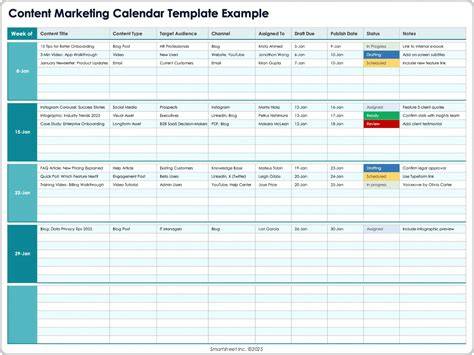
A content calendar keeps you organized and consistent. Decide how often you can realistically create content—whether that’s one blog post a week or a few social media posts—and map out topics aligned with your audience’s interests and your goals. Use simple tools like spreadsheets or calendar apps to track deadlines and tasks. Batch your content creation, repurpose material when you can, and schedule posts ahead to avoid last-minute stress. Consistency is more important than volume; steady, helpful content builds trust better than irregular bursts.
What’s a realistic budget for content marketing?
Content marketing doesn’t have to be expensive, but it does require some investment. Your budget depends on your goals, what types of content you create, and whether you handle everything yourself or hire help. Typical costs for small businesses include content creation tools, paid ads to reach more people, or occasional freelancers for writing or editing. You might start with a few hundred dollars a month and increase as you see results. Focus spending on what delivers the best return, like promoting a lead magnet rather than producing daily videos. Track what works and adjust your budget accordingly.
How do I measure if my content marketing is actually working?
Measure success by tracking metrics tied to your goals. For brand awareness, watch website traffic, social media followers, or impressions. For lead generation, focus on new contacts, newsletter sign-ups, or downloads. For customer retention, track repeat purchases or engagement with loyalty content. Avoid tracking every metric; pick a few key performance indicators (KPIs) that matter most to you. Check trends over time instead of daily changes. If your numbers aren’t improving, it’s a sign to tweak your strategy.
What should I do if my content isn’t performing as expected?
If your content isn’t hitting goals, don’t worry. Revisit your goals, audience understanding, and content choices. Are you reaching the right people? Is your content solving their problems? Small changes like adjusting headlines, posting times, or content format can help. Use your data to find where people lose interest—are they not clicking, engaging, or converting? Ask customers or peers for feedback. Use what you learn to fine-tune your strategy instead of starting over. Content marketing is about learning and improving over time.
How do I keep my content marketing strategy fresh over time?
Your audience and business goals change, so your strategy should too. Review your approach every few months to see what works and what doesn’t. Stay aware of industry trends and shifts in your audience’s behavior. If a new social platform becomes popular with your customers, consider trying it. Refresh your content topics and formats to keep things interesting. Don’t hesitate to stop content that no longer helps your goals. Staying curious and willing to adjust keeps your strategy effective and relevant.
Conclusion
Start by choosing one clear goal for your content marketing and defining your target audience. Pick one or two content types and channels that fit your audience and your capacity. Set up a simple content calendar to keep your efforts steady without overwhelming yourself. Focus on steady progress, tracking a few key metrics tied to your goals, and be ready to adjust based on what the data shows. Over time, a thoughtful, realistic content marketing strategy can be a powerful tool to grow your business.
Frequently Asked Questions
How often should I post content for my small business?
It depends on what you can manage and what your audience expects. Consistency is more important than frequency. Start with a schedule you can keep—like one blog post a week or a few social media posts weekly—and adjust based on how your audience responds.
Can I create a content marketing strategy without hiring experts?
Yes, many small businesses create effective strategies on their own. Focus on understanding your goals and audience, and use simple tools and templates to plan and schedule your content. You can always outsource some tasks later if your budget allows.
What’s the difference between content marketing and regular advertising?
Content marketing provides helpful or entertaining information to build trust and relationships over time. Advertising is usually more direct, aiming for immediate sales. Content marketing nurtures your audience instead of pushing a hard sell.
How long does it take to see results from content marketing?
Content marketing is a longer-term effort. You might see some engagement in a few weeks, but meaningful results like more leads or sales often take several months of consistent work. Patience and regular review are important.