
Coca-Cola’s target market includes a wide range of customers across ages, lifestyles, and cultures. While young adults, especially millennials and Gen Z, are a key focus due to their influence on trends and brand loyalty, Coca-Cola also appeals to older generations and diverse global consumers. The brand’s strategy blends demographic and psychographic insights to connect emotionally and culturally with its audience worldwide, aiming to be part of everyday moments and special occasions alike.
What does ‘target market’ mean for a brand like Coca-Cola?
For Coca-Cola, the target market is not just a single group defined by age or location. It refers to segments of consumers whose habits, preferences, and values align with what Coca-Cola offers. This includes demographics like age, income, and geography, but also psychographics such as lifestyles, attitudes, and cultural values. Since Coca-Cola is sold in nearly every country, its target market is diverse and complex. The company balances a universal appeal—the feeling of happiness and refreshment—with local relevance through tailored marketing and products.
Who are Coca-Cola’s core customers today?
Coca-Cola mainly targets young adults aged 18 to 34, who often lead active social lives and value moments of enjoyment. Millennials and Gen Z are especially important because they shape trends and brand loyalty. The brand connects with these groups through interests like music, sports, and social gatherings. However, older adults who grew up with Coca-Cola remain significant customers, particularly for classic Coke products. Overall, Coca-Cola appeals to people who want convenience, flavor, and an emotional connection in their beverage choices.
How has Coca-Cola’s target market changed over the decades?
Coca-Cola’s target market has shifted over time. Early on, soda was mostly popular with children and teenagers. Post-World War II, Coca-Cola focused on families and broad mass-market appeal, emphasizing happiness and refreshment. In the 1980s and 1990s, the brand aligned more with youth culture, music, sports, and pop trends to stay relevant. Today, the focus is on younger generations like millennials and Gen Z, who value authenticity, social responsibility, and convenience. Throughout these changes, Coca-Cola has adapted to social and cultural shifts while keeping its core brand values.
Why does Coca-Cola target millennials and Gen Z so heavily?
Millennials and Gen Z are crucial because they influence current and future market trends and shape brand reputation. These groups prioritize experiences, social connection, and values like sustainability. Coca-Cola responds by offering zero-sugar and low-calorie options, engaging on social media, and partnering with influencers and events popular with younger consumers. Limited edition flavors and interactive marketing keep the brand exciting. Targeting these groups helps Coca-Cola stay culturally relevant and build long-term loyalty beyond just selling soda.
How does Coca-Cola reach diverse global markets without losing brand identity?
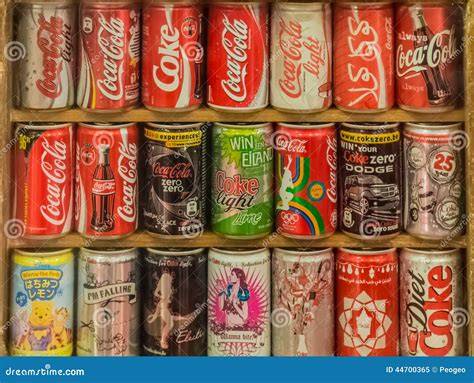
Coca-Cola maintains a consistent global image centered on happiness, refreshment, and sharing, while adapting marketing and products for local tastes and cultures. For example, it offers unique flavors or packaging in certain countries that reflect regional preferences. Advertisements often feature local celebrities or culturally relevant themes to create emotional connections. The iconic red logo and classic bottle design provide worldwide familiarity. This mix of global consistency and local adaptation allows Coca-Cola to appeal broadly without weakening its core identity.
What role do health trends play in Coca-Cola’s marketing strategy?
Health trends have led Coca-Cola to expand beyond sugary sodas. The company now offers options like Coca-Cola Zero Sugar, Diet Coke, flavored waters, and teas to attract health-conscious consumers. Marketing highlights these alternatives as flavorful choices with fewer calories. Instead of promoting total avoidance of sugary drinks, Coca-Cola encourages moderation and balance, recognizing many people still enjoy classic soda occasionally. This strategy keeps the brand relevant amid growing health concerns while maintaining broad appeal.
How do Coca-Cola’s advertising campaigns reflect its target market?
Coca-Cola’s advertising is designed to connect with its key audiences’ values and lifestyles. Campaigns often highlight joy, togetherness, and memorable moments, appealing broadly but especially to younger, social consumers. The "Share a Coke" campaign, which personalized bottles with common names, encouraged social sharing and connection. Sponsoring music festivals and sports events popular with millennials and Gen Z ties the brand to experiences these groups value. At the same time, nostalgic and holiday ads speak to older generations by evoking tradition and comfort. This layered approach effectively engages different segments.

What are common misconceptions about who drinks Coca-Cola?
A common misconception is that Coca-Cola is only for young people or popular only in Western countries. In truth, Coca-Cola appeals to a wide age range, including older adults who have been loyal customers for decades. Its consumers come from urban and rural areas worldwide, crossing diverse cultures and income levels. Another myth is that Coca-Cola is only a casual soda; many enjoy it during meals, celebrations, or social rituals. Understanding these misconceptions reveals the brand’s broad and complex customer base.
How does Coca-Cola gather insights about its target market?
Coca-Cola uses a combination of traditional and modern research methods to understand its customers. This includes surveys, focus groups, and market analysis to track preferences and behaviors. The company also employs digital tools like social media listening and data analytics to monitor trends and consumer sentiment in real time. Testing new products and campaigns in select markets provides feedback before wider launches. This continuous research helps Coca-Cola stay responsive to changing tastes and consumer needs, ensuring its targeting remains accurate and effective.
What can marketers learn from Coca-Cola’s approach to targeting?
Marketers can learn the importance of balancing broad appeal with targeted segments. Coca-Cola stays a household name by appealing to universal emotions like happiness while tailoring messages and products for specific groups. The brand’s flexibility—evolving with cultural and health trends—keeps it relevant. Its balance between global consistency and local adaptation maintains a strong identity while respecting diverse markets. Finally, Coca-Cola’s ongoing consumer research ensures it listens and adapts rather than assuming preferences stay the same. These lessons can help marketers build both scale and meaningful connections.
Conclusion
Start by defining your core customers but remain open to change. Coca-Cola succeeds because it understands that its target market isn’t fixed but a mix of ages, lifestyles, and cultures that shift over time. Focus on emotional connection and cultural relevance, and be ready to adjust your products and messages as your audience evolves. Avoid limiting yourself to one narrow demographic; instead, balance broad appeal with meaningful segmentation. When your brand resonates on several levels and listens carefully to customers, you build a strong foundation for loyalty and growth.
Frequently Asked Questions
Is Coca-Cola’s target market only young people?
No. While millennials and Gen Z are important for growth and trends, Coca-Cola also targets older adults who have been loyal customers for many years.
How does Coca-Cola adapt its marketing in different countries?
Coca-Cola keeps its core brand image consistent but changes flavors, packaging, and advertising to fit local cultures, using local celebrities and celebrating regional holidays to connect emotionally.
Does Coca-Cola target health-conscious consumers?
Yes. Coca-Cola offers low- and zero-calorie options like Coca-Cola Zero Sugar and Diet Coke, and markets these to appeal to people seeking flavor with fewer calories.
What marketing campaigns best show Coca-Cola’s target market?
Campaigns like "Share a Coke" encourage social sharing and connect with younger, social consumers. Sponsoring music and sports events appeals to millennials and Gen Z, while holiday ads use nostalgia to reach older generations.
How does Coca-Cola gather information about its consumers?
Coca-Cola uses surveys, focus groups, market research, social media monitoring, and digital analytics to track preferences and trends. It also pilots new products and campaigns in select markets for feedback before wider release.