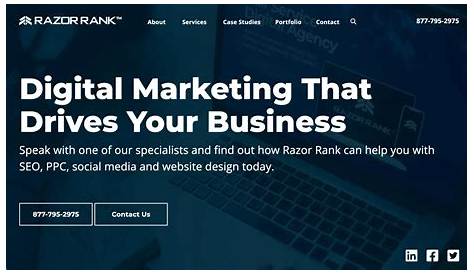
Choosing the right advertising company starts with carefully reviewing their website. A good agency website does more than catch your eye—it proves the agency’s skills, dependability, and communication style. By focusing on clear service details, real examples of their work, and honest client feedback, you can quickly judge whether they have the expertise and professionalism that fit your needs.
What makes an advertising company website truly effective?
A truly effective advertising company website clearly shows the agency’s capabilities and trustworthiness. It should quickly answer your key questions: What services do they offer? Who are their clients? What results have they achieved? The site should use clear, straightforward language that shows they understand your challenges, not jargon that confuses or overwhelms. Navigation should be simple and consistent, letting you find information without frustration. If the site feels cluttered or inconsistent, that’s a warning sign. An effective website builds your confidence that the agency can manage your marketing needs and communicate well throughout the process.
How can I tell if a website shows real advertising expertise?
Look for specific, detailed examples rather than broad claims. Case studies are a great way to see how the agency approaches problems and delivers results. They should explain the challenge, the agency’s strategy, and measurable outcomes. A client list with recognizable or relevant brands also adds credibility. Service descriptions should be clear and match what you need—whether it’s digital marketing, creative development, or strategy. The website’s design and content should support these claims: if they say they specialize in digital innovation, the site should reflect that with modern, practical design and relevant content. An "About" page that shares the team’s background and philosophy helps you connect with the people behind the work.

Why do some advertising websites feel impressive but aren’t trustworthy?
Some websites use slick design and impressive-sounding language that doesn’t back up real information. Watch for vague phrases like "we innovate solutions" or "cutting-edge strategies" without examples. Overused buzzwords often hide a lack of substance. Missing or hard-to-find contact details are another red flag—legitimate agencies want clients to reach them easily. Sites that overwhelm you with flashy animations, too many awards, or polished but generic testimonials can distract from the core question: Can this agency genuinely help your business? If it’s unclear what exactly they do or how they’ve helped clients, the website might prioritize style over real capability. Trustworthy agencies balance professionalism with honest communication about their process and results.
What are the best examples of advertising company websites and why do they work?
Some agencies stand out by combining clear messaging, strong visuals, and user-friendly design. For example, "Big Leap Creative" (a hypothetical agency) opens with a simple statement about who they serve and what results they deliver, followed by case studies with before-and-after data. Their client list includes brands you recognize, and their services are described plainly with real examples. Another agency, "BrightPath Media," uses interactive portfolios that let you explore campaigns by industry or channel, making it easy to find relevant work. Their site loads quickly, works well on mobile devices, and includes video testimonials where clients explain how the agency helped them grow. These sites work because they anticipate your questions and make it easy to evaluate their fit without hunting for information or decoding jargon.
How important is website usability when choosing an advertising company?
Website usability matters a lot: it reflects how the agency approaches its work. If the site is hard to navigate, cluttered, or slow, it might mean the agency struggles with organization and attention to detail. Easy-to-use sites show the agency values user experience, a skill they likely apply in their marketing campaigns. Mobile responsiveness is key since you may review sites on your phone or tablet—if the site breaks or feels cramped, that’s a warning. Fast load times keep you engaged, while delays can make you lose interest before seeing their offerings. A smooth, well-designed website shows the agency respects your time and values quality, traits important when trusting them with your brand.
What role do client testimonials and case studies play on these websites?
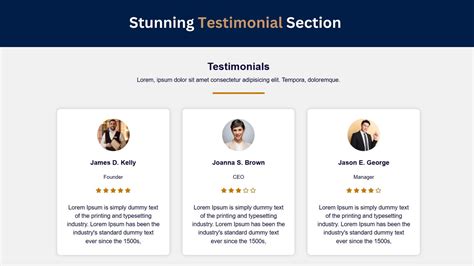
Client testimonials and case studies add real credibility to an agency’s claims. Testimonials provide social proof, showing how other businesses felt about working with the agency. When they are detailed and authentic, they reassure you that the agency delivers on its promises. Case studies go further by explaining specific challenges, strategies used, and measurable results. These stories reveal the agency’s problem-solving skills and creativity. For example, a case study about increasing e-commerce sales through a redesigned campaign gives concrete evidence of effectiveness. Without these, you have only marketing speak, which is less reliable. Good websites include both, giving you a chance to hear from clients and understand the agency’s approach in real terms.
Are there specific website design trends that signal a modern, forward-thinking agency?
Certain design elements can show an agency’s mindset. Interactive features like clickable portfolios or animated infographics suggest they keep up with technology and value engagement. Video content, such as client interviews or behind-the-scenes clips, adds authenticity and personality. Minimalist layouts with clean typography and plenty of white space often indicate a focus on clarity and user experience. However, design trends should never hurt usability—flashy effects that slow the site or distract from content can backfire. A modern agency balances style and substance, using design thoughtfully to highlight creativity and technical skills without overshadowing their message.
How can I compare multiple advertising company websites effectively?
Create a simple checklist to compare sites side-by-side. Focus on clarity of service descriptions, quality and detail of case studies, relevance of client lists, ease of navigation, mobile responsiveness, and availability of contact information. Rate each site on these points and note any warning signs like vague language or missing details. Pay attention to how quickly you find answers and how comfortable the site feels overall. This structured approach helps you avoid being dazzled by superficial features and focus on what matters for your business. It also prepares you for more focused conversations with agencies about specific points you noticed on their websites.
What questions should I ask the agency after reviewing their website?
Use what you learned from the website to ask informed questions. For example, if a case study caught your attention, ask how they would handle a similar challenge in your industry. If service descriptions were unclear, request more details about their process or tools. Ask about their experience with businesses your size or sector, and how they measure campaign success. Inquire about communication style and who your main contact would be. Questions based on the website show you’ve done your homework and help you see how well the agency listens and responds, revealing if their polished website matches their actual work style and expertise.
Where should I go next after picking a few promising advertising companies?
After shortlisting agencies, reach out to schedule discovery calls or meetings. Be ready to discuss your goals and hear how the agency plans to address them. Ask for references and, if possible, speak with past clients for an outside perspective. Request proposals that outline strategies, timelines, and pricing. Compare these with what you saw on their websites to check for consistency or differences. Finally, trust your instincts about how well you get along with the agency’s team. While the website is your first impression, the relationship you build afterward will be key to your success.
Conclusion
When reviewing advertising company websites, focus on clear, honest information rather than flashy design or buzzwords. A good website makes it easy to understand what the agency does, who they serve, and how they’ve helped clients succeed. Use this understanding to ask smart questions and compare agencies thoughtfully. A well-crafted, informative website usually points to an agency that values professionalism and open communication. When you find one whose site feels trustworthy and fits your needs, you’re on the right path to a strong partnership.
Frequently Asked Questions
What key features should I look for on an advertising agency’s website?
Look for clear service descriptions, detailed case studies, a credible client list, easy navigation, and accessible contact information. These features show the agency’s expertise and openness.
Can a flashy website be a bad sign when choosing an advertising company?
Yes. A flashy website full of buzzwords but little real information can mean the agency focuses more on style than results. Prioritize sites that provide clear evidence of their work and skills.
How do client testimonials help in evaluating an advertising agency?
Authentic testimonials offer social proof that past clients were satisfied and highlight the agency’s strengths. They add credibility beyond what the agency claims about itself.
Why is website usability important when selecting an advertising agency?
Good usability reflects the agency’s attention to detail and respect for your experience, which likely extends to their marketing work. It also makes it easier for you to find the information you need.
What should I do after narrowing down my list of agencies based on their websites?
Contact the agencies for discovery calls or meetings, ask for proposals and references, and compare their offerings and communication styles before deciding.