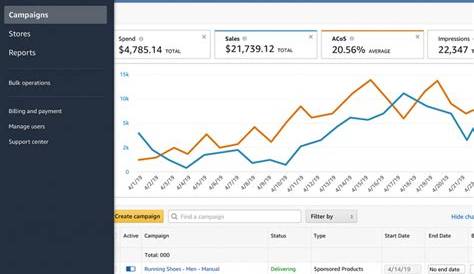
ACOS, or Advertising Cost of Sales, is a key metric for any Amazon seller using ads. It tells you what percentage of your ad spend is used to generate sales from those ads. Understanding ACOS helps you see if your ads are profitable or if you're spending too much to make a sale. Once you grasp how ACOS works and how to interpret it, you can manage your ad budget smarter and grow your Amazon business with more confidence.
What exactly is Amazon ACOS and why does it matter?
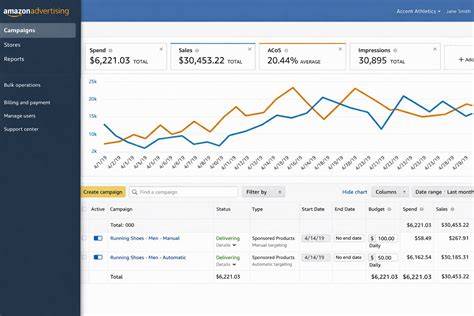
ACOS stands for Advertising Cost of Sales. It shows how much you spend on ads for every dollar of sales those ads bring in. For example, an ACOS of 20% means you spend 20 cents on advertising to earn one dollar in sales from those ads. This ratio matters because it helps you understand if your ads are making money or eating into your profits. Ads can quickly reduce your margins, so knowing your ACOS helps you decide which campaigns to keep running and which to adjust or pause. It’s a straightforward way to connect your ad spend with sales results and measure how efficient your advertising is.
How do I calculate my ACOS with a real example?
Calculating ACOS is simple: divide your ad spend by the sales generated from those ads, then multiply by 100 to get a percentage. The formula is: ACOS = (Ad Spend ÷ Attributed Sales) × 100. For example, if you spent $50 on ads last week and those ads brought in $250 in sales, your ACOS is (50 ÷ 250) × 100 = 20%. This means you spent 20% of your sales revenue on advertising. Tracking ACOS regularly lets you compare different campaigns and see which are cost-effective. Just be sure to use sales attributed only to your ads—not total sales—or your ACOS will be inaccurate.
Is a lower ACOS always better for my business?
A lower ACOS often looks good because it means spending less on ads relative to sales. But it’s not always best to chase the lowest ACOS. Your profit margin matters here: if you earn 30% profit on a product, an ACOS of 25% still leaves you with profit after ad costs. Sometimes, campaigns with higher ACOS boost brand awareness or sales volume, even if they aren’t immediately profitable. On the other hand, very low ACOS might mean you’re only targeting highly competitive keywords with limited sales potential or missing growth chances. The right ACOS depends on your product margins and business goals, not just a fixed target.
What common mistakes do sellers make when looking at ACOS?
Many sellers make the mistake of ignoring organic sales when evaluating ACOS. Ads often increase product visibility and lead to more organic sales that aren’t counted in ACOS calculations. Focusing only on ACOS can undervalue your ads’ full impact. Another common error is setting unrealistic ACOS targets without considering profit margins or how advertising fits your overall strategy. Some sellers obsess over lowering ACOS even if it reduces sales volume or market share. Also, treating ACOS as the only metric can mislead you because profitability depends on all costs—not just ad spend versus sales.
How does ACOS relate to other metrics like TACOS and ROAS?
ACOS, TACOS, and ROAS are related but measure different things. TACOS (Total Advertising Cost of Sales) compares your total ad spend to your total sales, including both paid and organic sales. This gives a wider view of how ads impact your whole business. ROAS (Return on Ad Spend) is the inverse of ACOS: it’s sales divided by ad spend, showing how many dollars you earn for each dollar spent on ads. While ACOS focuses on the percentage spent per sales dollar from ads, ROAS tells you the multiplier you get back. Use ACOS to check campaign efficiency, TACOS to understand your ads’ overall role in your business, and ROAS when you want to see your return on investment as a multiple.
What’s a healthy ACOS range for different types of products?
Healthy ACOS varies by product and business model. For low-margin products like consumables or commodities, keeping ACOS below 20% may be necessary to stay profitable. Higher-margin products can handle higher ACOS—sometimes 30-40%—because their profit covers ad costs comfortably. New product launches or niche items might tolerate even higher ACOS as you build market presence. Subscription or repeat-buy models may accept higher ACOS since each customer brings long-term value. The key is to set ACOS targets that match your product’s profit margins and growth plans, not just aiming for a generic number.
How can I use ACOS to optimize my Amazon ad campaigns?
ACOS helps you spot which ads are cost-effective and which are wasting budget. Start by lowering bids or pausing keywords and placements with high ACOS that don’t convert well. Increase bids on keywords that have good sales and affordable ACOS to boost volume. Test new keywords and targeting to find profitable opportunities. Regularly reviewing ACOS lets you shift budget toward your best-performing ads, improving overall efficiency without cutting ad spend blindly.
What tools or reports on Amazon help me monitor ACOS effectively?
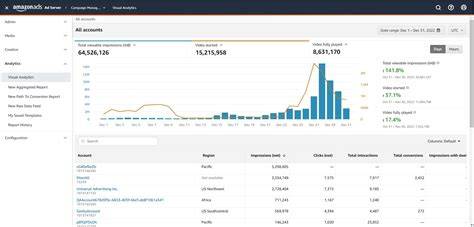
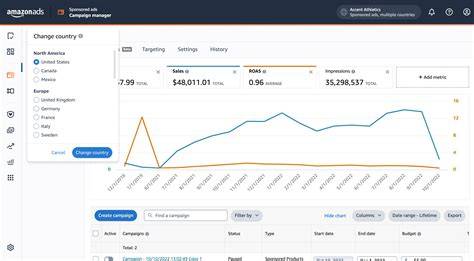
Amazon’s advertising dashboard shows ACOS for each campaign, ad group, and keyword. The Campaign Manager tracks ad spend, attributed sales, and calculates ACOS automatically. The Search Term Report reveals which keywords drive sales and their ACOS. Third-party tools like Helium 10, Sellics, and Jungle Scout offer more detailed reports and easier tracking across campaigns. These tools help you spot trends, identify underperforming ads, and optimize bids more efficiently than Amazon’s native dashboard alone.
Can focusing too much on ACOS hurt my long-term growth?
Yes, focusing too much on ACOS can limit long-term growth if it causes you to cut ads that build brand awareness or customer loyalty. Ads don’t just drive immediate sales—they help increase market share, improve organic rankings, and attract repeat buyers. If you trim campaigns just to lower ACOS, you may miss these benefits. Some campaigns with higher ACOS support new product launches or seasonal pushes essential to growth. Balancing ACOS with goals like brand visibility and market expansion helps your ads contribute to lasting success, not just short-term profits.
What are the first three steps I should take to improve my ACOS today?
First, review your campaigns and find those with the highest ACOS. These need your attention. Second, check which keywords or targeting options are driving up costs without delivering sales—lower bids or pause them. Third, adjust bids on better-performing keywords to increase their reach while keeping ACOS healthy. These steps help you focus your budget where it works and reduce wasted spend, setting you up for more profitable advertising.
Conclusion
Start by understanding your current ACOS and how it fits with your product’s profit margins. Don’t fixate on hitting a specific ACOS number without considering overall profitability and growth. Cut costs on poorly performing ads but keep campaigns that build your brand or drive organic sales. A good ACOS is one that leaves you with positive returns after all expenses, not just the lowest percentage. Keep tracking ACOS alongside other metrics so you can make balanced decisions that help your Amazon business grow steadily.
Frequently Asked Questions
What is a good ACOS percentage to aim for?
A good ACOS depends on your product’s profit margin and business goals. Generally, aim for an ACOS lower than your profit margin to stay profitable. For example, if your margin is 30%, an ACOS under 30% usually works. New products or growth campaigns might accept higher ACOS temporarily.
How is ACOS different from TACOS?
ACOS compares ad spend to sales generated directly from ads, while TACOS compares total ad spend to total sales, including organic sales. TACOS gives a broader view of how advertising affects your whole business, not just paid sales.
Can I rely solely on ACOS to judge my ad campaigns?
No. ACOS doesn’t account for organic sales influenced by ads or other business costs. Use ACOS alongside other metrics like TACOS, ROAS, and overall profitability to get a complete picture.
How often should I check my ACOS?
Check your ACOS regularly, such as weekly or biweekly, to catch trends and adjust campaigns in time. Avoid making big changes based on short-term fluctuations—look for consistent patterns first.
What can cause a sudden increase in ACOS?
Sudden spikes in ACOS can happen if ad spend rises without matching sales growth, if keyword competition increases, if seasonal demand shifts, or if ads start performing poorly. Monitoring ACOS helps you find and fix these issues quickly.