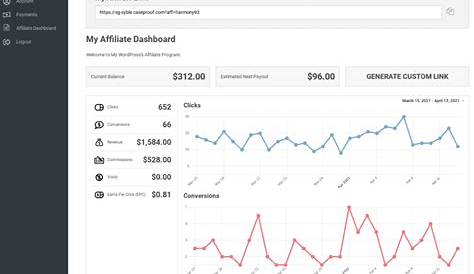
Affiliate marketing per click, or pay-per-click (PPC) affiliate marketing, means you earn money each time someone clicks your affiliate link. Unlike other affiliate models where you get paid only when a sale or lead happens, PPC rewards you for driving traffic regardless of conversions. This can provide quicker, though usually smaller, earnings if you have a steady flow of visitors. If you want to understand how PPC works and whether it fits your online business, this guide will walk you through the key points and help you decide.
What exactly is affiliate marketing per click?
Affiliate marketing per click means you earn a commission every time someone clicks on your affiliate link. This differs from the more common pay-per-sale model, where you earn only when your referral makes a purchase, or pay-per-lead, where payment happens when a visitor completes a signup or form. With PPC, your focus is on generating clicks, so each visitor who clicks your link earns you a small commission—even if they don’t buy anything right away. This approach can be appealing if you want to earn faster without relying on conversions, but it means you need to attract a lot of interested visitors who actually click your links.
How do affiliates get paid for clicks?
You get paid for clicks when someone clicks your affiliate link and the click is tracked as valid by the affiliate program. Most programs use tracking cookies and special URLs to record your unique clicks and ensure you get credit. A ‘click’ usually means a genuine, intentional click from a real person, not accidental or automated clicks. Affiliate networks have systems to filter out invalid or fraudulent clicks, like repeated clicks from the same user or bot traffic. Once a legitimate click registers, your account records the event, and you earn the agreed commission—this could be a fixed amount or a fraction of a cent per click, depending on the program.
Which affiliate networks or programs offer pay-per-click deals?
While many affiliate networks focus on pay-per-sale or pay-per-lead offers, some include pay-per-click deals. Google AdSense is one example where you earn per click, though it’s more advertising than traditional affiliate marketing. For affiliate-specific PPC programs, networks like MaxBounty, CPAlead, and ClickDealer offer pay-per-click offers across niches such as finance, gaming, and health. These networks often mix PPC with other payment models and have varying commission rates. Some merchants run their own in-house PPC programs, especially in industries like education or content subscriptions where traffic itself holds value. When choosing a network or program, look for clear payment terms, reliable tracking, and a trustworthy reputation to make sure you’re paid fairly for your clicks.
Why would a merchant choose PPC over other affiliate payment models?
Merchants choose PPC to quickly increase brand exposure and drive traffic, paying for every visitor rather than only when a sale happens. This approach carries more risk since they pay regardless of conversions, but it can be useful for boosting site visits, testing new markets, or improving search rankings through traffic volume. PPC is common in industries where visits alone have value, like content websites or subscription services relying on ad impressions. Merchants weigh the cost of paying per click against potential long-term benefits like increased awareness or future sales.
What are the main advantages and drawbacks of PPC affiliate marketing?
The biggest advantage of PPC affiliate marketing is faster commission earnings since you don’t have to wait for sales or leads—just clicks. It can be simpler to promote because you only need to encourage clicks, not purchases. However, PPC commissions tend to be much lower than pay-per-sale offers, so you need high traffic volumes to earn significant income. There’s also the risk of click fraud, where invalid clicks waste your efforts or cause issues with merchants. Additionally, some PPC programs care less about traffic quality, which might attract less engaged visitors and reduce long-term profitability.
How can you tell if a PPC affiliate program is legitimate and worth your time?
To avoid scams or low-quality PPC programs, look for transparency in payment rates and clear terms. Choose programs backed by reputable networks or merchants with solid tracking and reliable payouts. Be cautious of programs that promise unusually high pay per click without explanation or require upfront fees or purchases to join. Check reviews from other affiliates but watch for overly positive or negative extremes. A legitimate PPC program will let you join easily, provide clear reporting, and have systems to prevent fraudulent clicks.
What strategies actually work to get quality clicks that convert?
To get quality clicks, focus on attracting visitors genuinely interested in the product or service. Target a relevant niche where your audience matches the offer. Use content marketing like blog posts, reviews, or tutorials that naturally include your affiliate links and encourage clicks. Paid social media ads or search engine marketing can work too, but you need careful targeting to avoid wasting budget on uninterested users. Create helpful, engaging content that answers questions or solves problems related to your offer. This approach not only increases clicks but also raises the chances those clicks lead to sales or leads later on.
How to track and optimize your PPC affiliate campaigns?
Tracking your clicks and earnings is essential to know what’s working. Use your affiliate network’s dashboard to monitor clicks, earnings, and any available conversion data. Tools like Google Analytics can show where your traffic comes from and how visitors behave after clicking your links. Watch key metrics such as click-through rate, bounce rate, and time on site to evaluate traffic quality. Use this data to test different traffic sources, link placements, and content styles. Cut what doesn’t perform and invest more in what does to improve your earnings over time.
What common mistakes do beginners make with PPC affiliate marketing?
Beginners often focus too much on getting high click numbers without considering whether those visitors care about the offer. This can lead to lots of clicks but few conversions and even suspicion of click fraud. Another common error is ignoring program terms, which might restrict certain traffic sources or promotion methods. Failing to track results properly can also make it hard to improve. Finally, expecting quick, large payouts can cause frustration since PPC commissions are typically small per click and require patience and steady effort.
How to get started today with your first PPC affiliate campaign
Start by picking a PPC affiliate program with a good reputation and clear payment terms. Sign up through a trusted affiliate network or directly with a merchant offering PPC deals. Once approved, get your unique affiliate link and choose where to promote it—like your blog, social media, or paid ads. Create content or ads that encourage clicks from people likely interested in the product or service. Use tracking tools from the network or third parties to watch your clicks and earnings. Begin with a small campaign, then analyze the data to adjust your approach. As you learn what works, gradually scale your efforts.
Conclusion
If you want to earn from affiliate marketing without waiting for sales, PPC affiliate marketing can be a good option. Start small with programs that clearly explain their pay-per-click terms and track your results carefully. Focus on attracting visitors who are genuinely interested, not just chasing high click numbers. Over time, you’ll discover which strategies bring quality clicks and steady commissions. Avoid offers that seem too good to be true or require upfront fees. A solid PPC affiliate approach builds steady, incremental earnings from clicks that come from real interest, giving you a foundation to grow or combine with other affiliate models.
Frequently Asked Questions
Is pay-per-click affiliate marketing better than pay-per-sale?
It depends on your goals. PPC pays you for clicks regardless of sales, so you can earn faster but usually smaller amounts. Pay-per-sale pays more per commission but requires actual purchases, which can take longer and need more effort.
How do I avoid click fraud in PPC affiliate marketing?
Choose reputable programs with fraud detection, avoid low-quality traffic sources, and don’t encourage repeated clicks from the same users. Monitoring your traffic and working with trusted networks helps reduce fraud risk.
Can I use paid ads to promote PPC affiliate links?
Yes, many affiliates use paid ads on social media or search engines to drive clicks. Just make sure the program allows paid promotion and target your ads carefully to attract interested visitors without wasting your budget.
What’s a typical commission rate for PPC affiliate programs?
Commission rates vary widely—from a few cents to a couple of dollars per click—depending on the niche and merchant. These rates are generally lower than pay-per-sale commissions, so volume matters.
Do PPC affiliate programs pay immediately?
Most programs pay on a schedule like monthly or biweekly and require you to reach a minimum payout threshold. Immediate payment is rare, so expect some waiting after you start earning.